



The application of Puricelli HPL panels in commercial interiors - where does this material have an advantage over other solutions?
References
The design and execution of commercial spaces, such as hotels, offices, medical facilities or sanitary zones, require a precise selection of materials. In B2B cooperation, purchasing decisions are made based on many factors, such as the physico-chemical parameters of the raw material, possessed certificates, anticipated operational loads, the specifics of installation and logistics, or the total cost of implementing a given solution. In today's article, we present why HPL panels are a rational alternative to other commonly used finishing materials - from a technical, logistical and cost perspective.
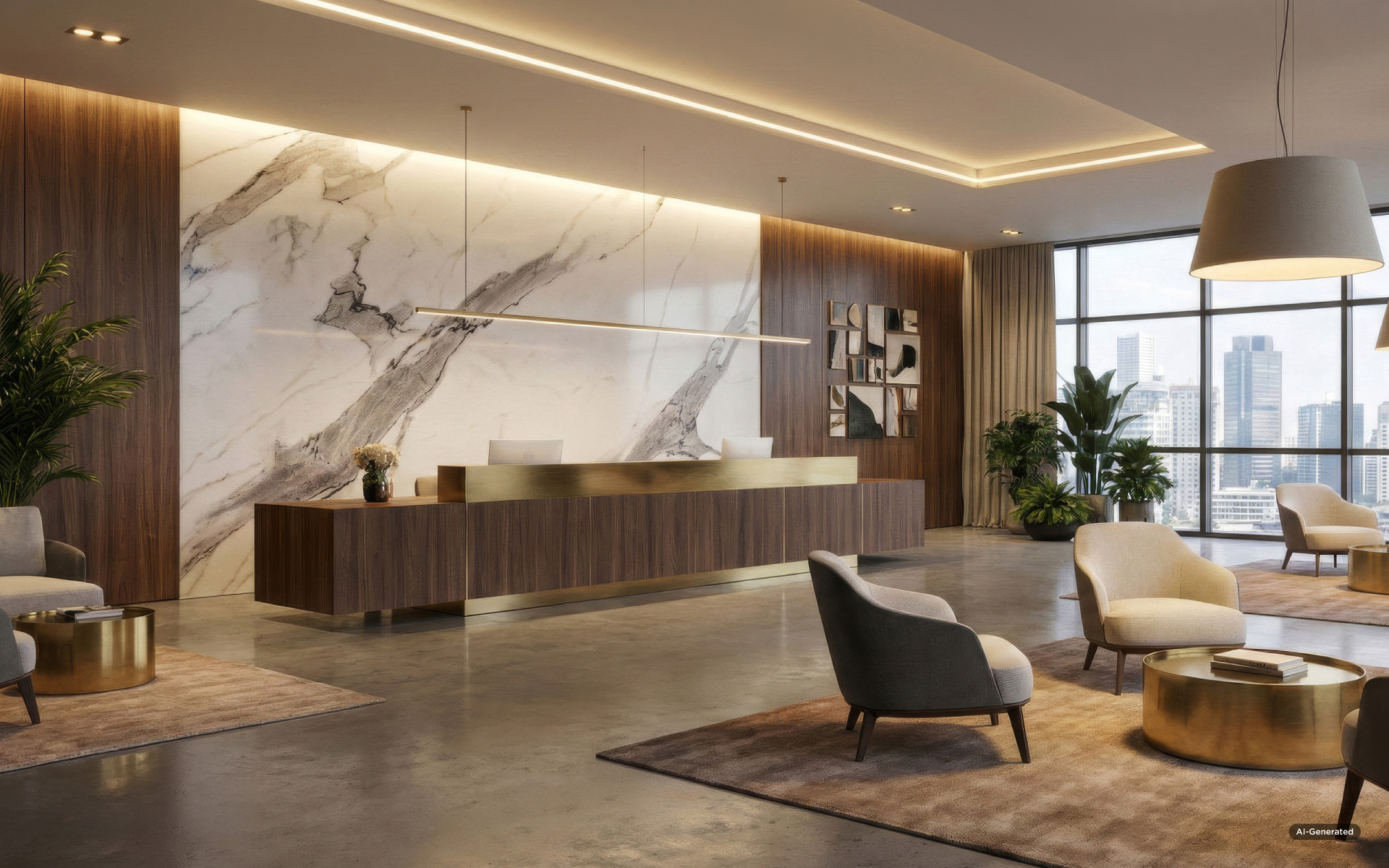
In order to maintain maximum factual precision, we have based our analysis of properties and technological solutions on the offer of the esteemed Italian manufacturer - the Puricelli brand.
The word "HPL" encompasses a wide spectrum of products. When using the terminology associated with them, it is worth knowing two basic types of material:
- For thicknesses from 0.8 to 3 mm, the material is defined as a thin single-sided laminate, most commonly used as a cladding on chipboards.
- In the thickness range from 4 to 25 mm, the material is classified as a compact laminate, which is a self-supporting and double-sided panel.
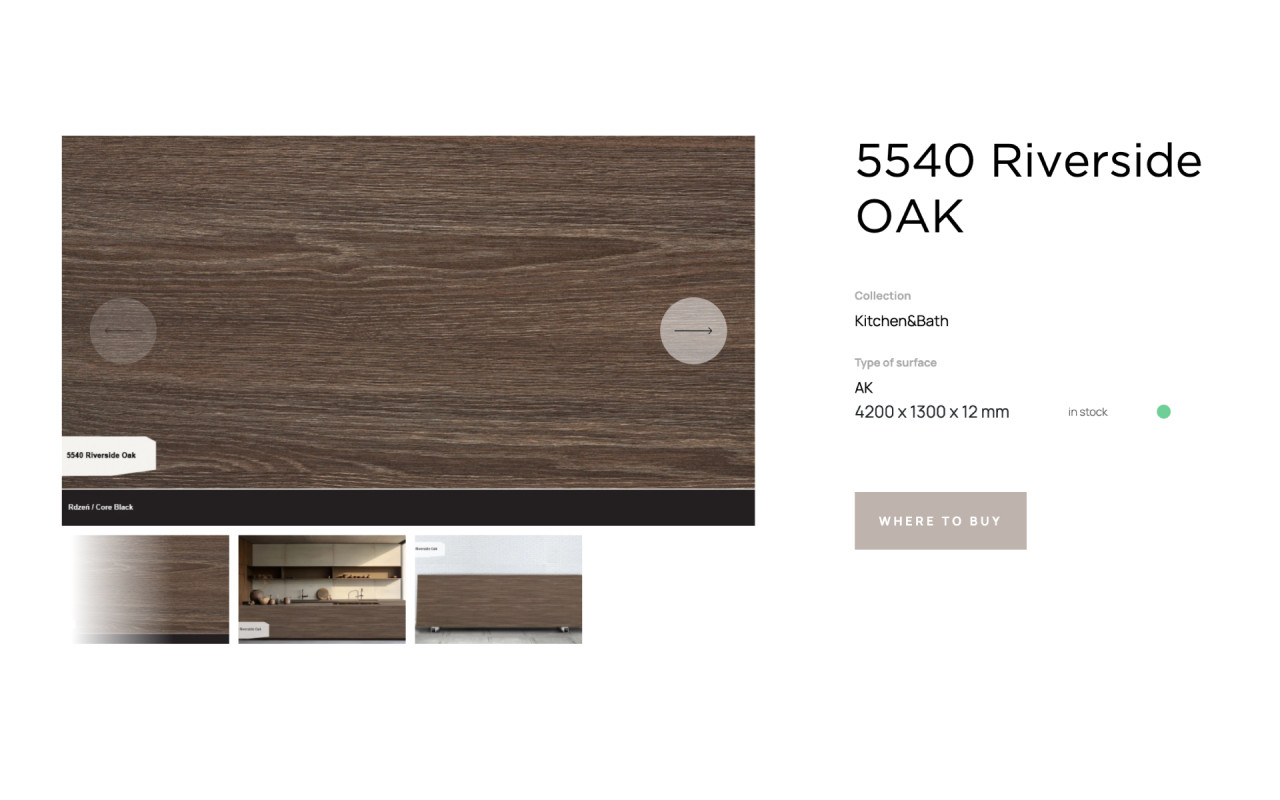
Among the various possibilities offered by the Puricelli HPL range, the K&B (Kitchen & Bath) line has been selected, among others. It has been strictly optimised for work and commercial interiors. The manufacturer has standardised here the dimensions most frequently chosen and most practical when creating continuous installations: 12 mm thick worktops available in 4200 x 1300 mm, 4200 x 1620 mm, and 3050 x 1300 mm formats. This collection offers a choice of 25 decors (all in 12 mm thickness) from the following groups: MONOCOLORS, WOOD, STONE and LOFT. One of the strongest arguments for compact laminate is also its coloured core - our offer includes 8 core colour variants (Cachemire, Ice, Ash, Smoke, Kraft Brown, Safari, Black, Graphite). The coloured core constitutes an integral part of the material and remains visible after machining, which can become an interesting design feature, particularly in the case of furniture and other projects with exposed edges.
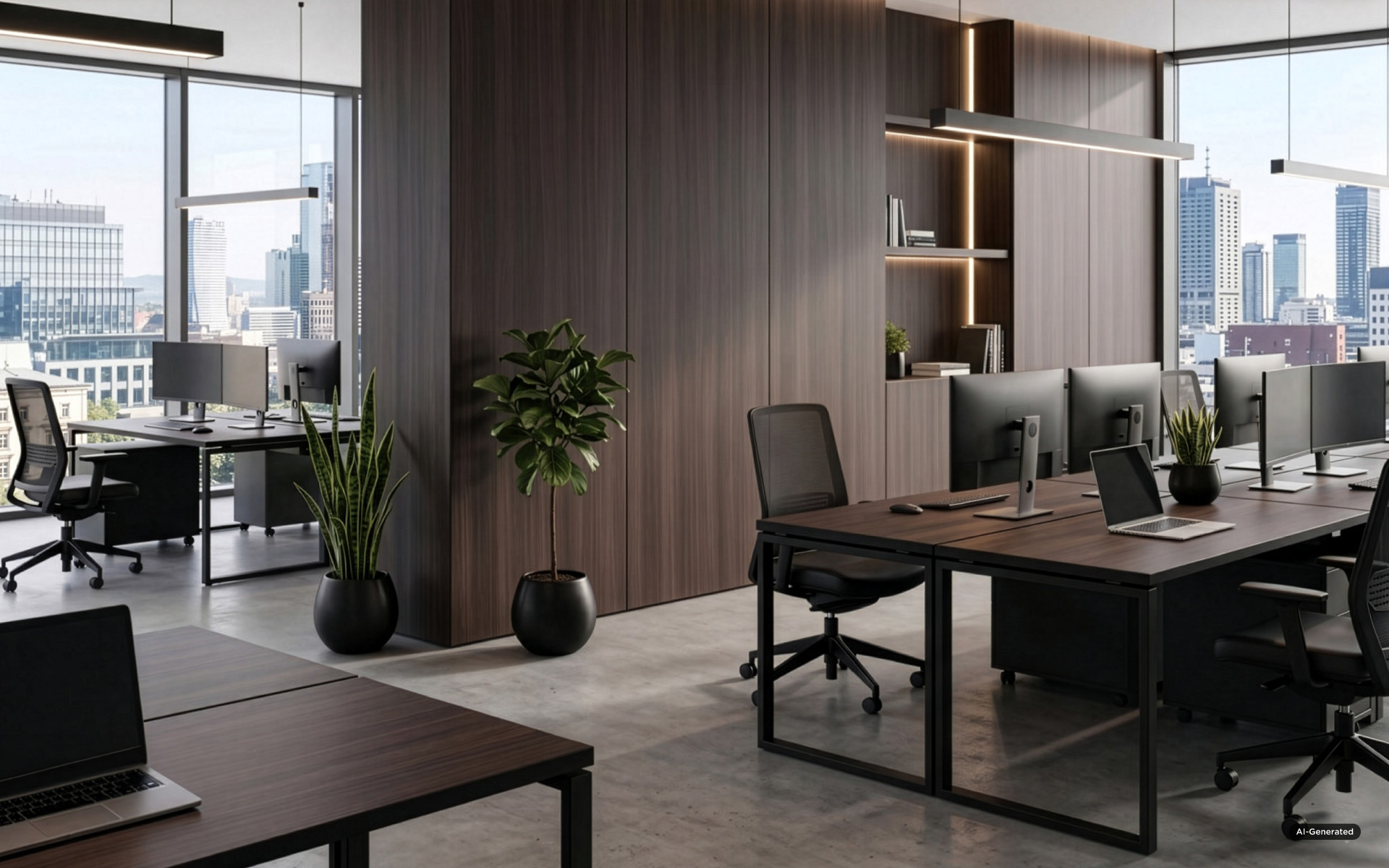
Surface structures
Puricelli HPL offers many finishing possibilities. Each structure is perfectly matched to the board's pattern. In our current compact laminate offer, we have selected 7 key textures: AK Oak, MN Moon, NK Nike, AR Ardesia, GL Galaxy, MM Morematt, CY City, as well as the NC finish, available on one decor. The Architype assortment is constantly developing, therefore, in order to learn about the current palette of available solutions, we recommend checking the subpages of specific decors or contacting our customer service department.
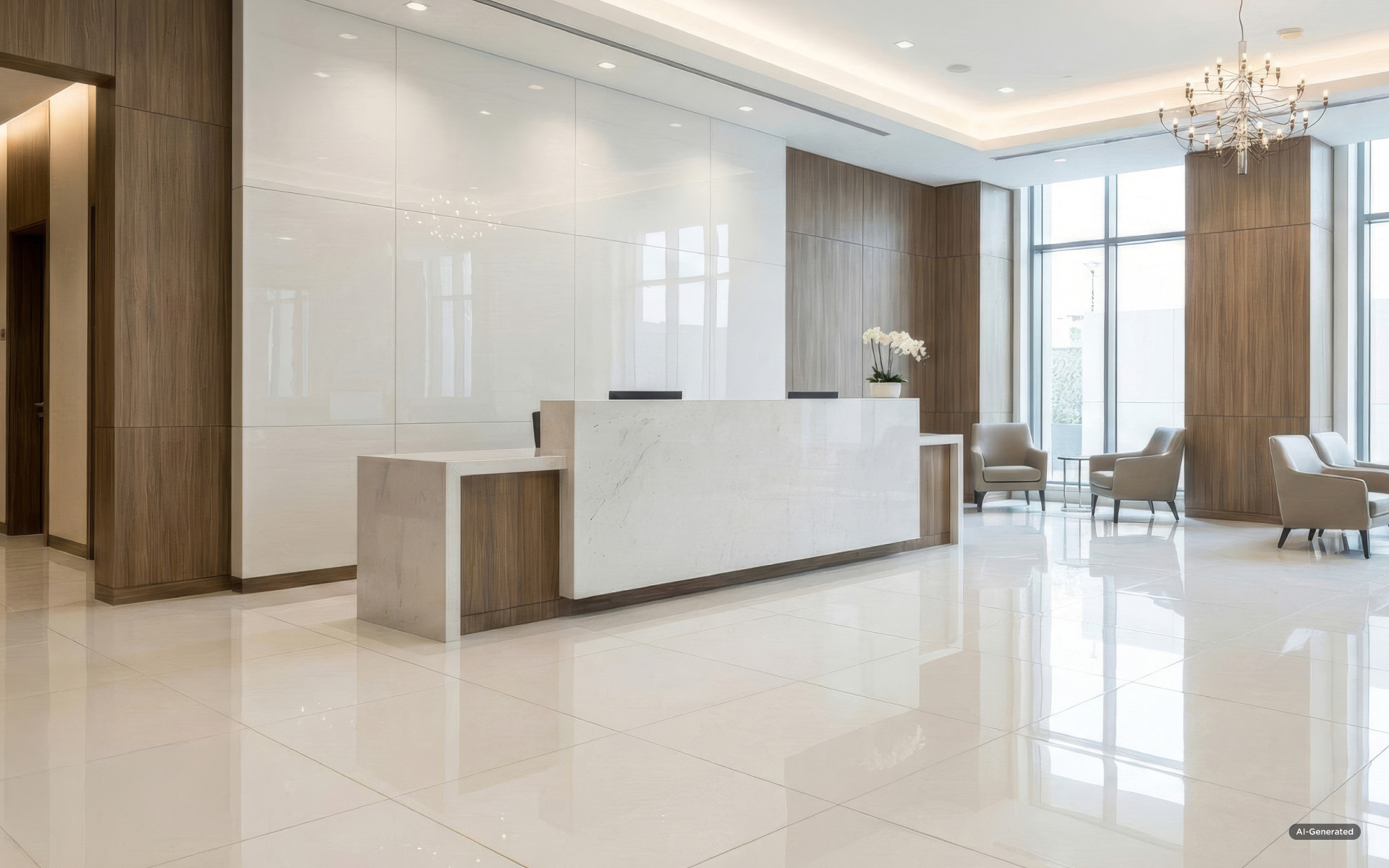
Technical properties and certification - the foundations of a secure investment
Declarations regarding material properties must be directly reflected in laboratory test results and independent certificates. Puricelli HPL laminates were designed, among others, for commercial applications, and thus must comply with many rigorous requirements. Materials from the PURICOMPACT series conform to the EN 438-1, EN 438-2 and EN 438-4 standards (in the 2016 editions) for CGS and CGF classes. This material is characterised by high density (according to EN ISO 1183 tests), flexural strength (EN ISO 178) and thermal resistance: panels with a thickness of 6 mm and above withstand an impact by a large diameter ball from a drop height of at least 1800 mm, and their surface tolerates contact with dry heat at temperatures up to 160°C and damp heat up to 100°C.
Puricelli HPL and the environment
Puricelli places a strong emphasis on ecology, offering an environmentally friendly product certified with the FSC mark. The applied innovations have allowed for the elimination of toxic phenol from the basic production process - phenol is not used as a raw material, thanks to which its emission is at a level below 0.002 mg/m³ (according to the AFNOR NF EN ISO 16000-9 standard). In accordance with the same standard, the panels are characterised by the highest A+ class in terms of volatile organic compound emissions (TVOC ≤ 0.2 mg/m³). In turn, in tests according to EN 13986, this material achieves the safe E1 formaldehyde emission class. They are also completely safe in contact with food, achieving overall migration results below 10 mg/dm² in accordance with the EN 1186 standard. The versatility and reliability of the material are confirmed by certificates such as the CE mark for construction or the rigorous IMO MED certificate, which approves laminates for applications in the marine industry.
Reaction to fire of Puricelli HPL
Designing public utility buildings requires an uncompromising approach to the issue of fire protection. The reaction to fire classification for PURICOMPACT laminates (in accordance with the EN 13501-1 standard) depends on the variant of the selected panel and the type of substructure used. Standard panels (CGS class), mounted on a wooden frame, meet the requirements for the D-s2, d0 level. For zones subject to particular restrictions, a flame-retardant CGF variant is provided, which, when mounted on a metal frame, achieves the high B-s1, d0 class. When specifying materials for a project, however, an important technological nuance must be taken into account: while the standard line of panels is distinguished by the innovative, complete elimination of phenol from the production process, achieving such extreme flame retardancy for the CGF variant requires the use of specialised phenolic resins. From the investor's perspective, this is therefore always a deliberate choice - matching the technology to a specific zone, balancing between the highest ecological standard and rigorous fire safety.
Puricelli HPL panel manufacturing technologies useful in commercial projects
To meet specific commercial requirements, PURICOMPACT materials are supported by advanced coating technologies:
- MOREMATT - a deep matt, soft-to-the-touch surface featuring anti-fingerprint properties.
- A.BAC - a food-contact certified antibacterial treatment used in the K&B collection, reducing the presence of bacteria on the panel's surface by up to 99.9% (in accordance with the JIS Z 2801:2010 standard with Amendment 1:2012 / international equivalent ISO 22196:2011).
- N.EXT - a technology dedicated to demanding exterior applications, such as facades, balconies, sun shades and garden furniture. It is equipped with a special UV coating that ensures long-lasting colour durability.
Check also: Puricelli HPL slab manufacturing technologies – what’s behind the names and where are they best used?
Reliability in wet zones and sanitary facilities
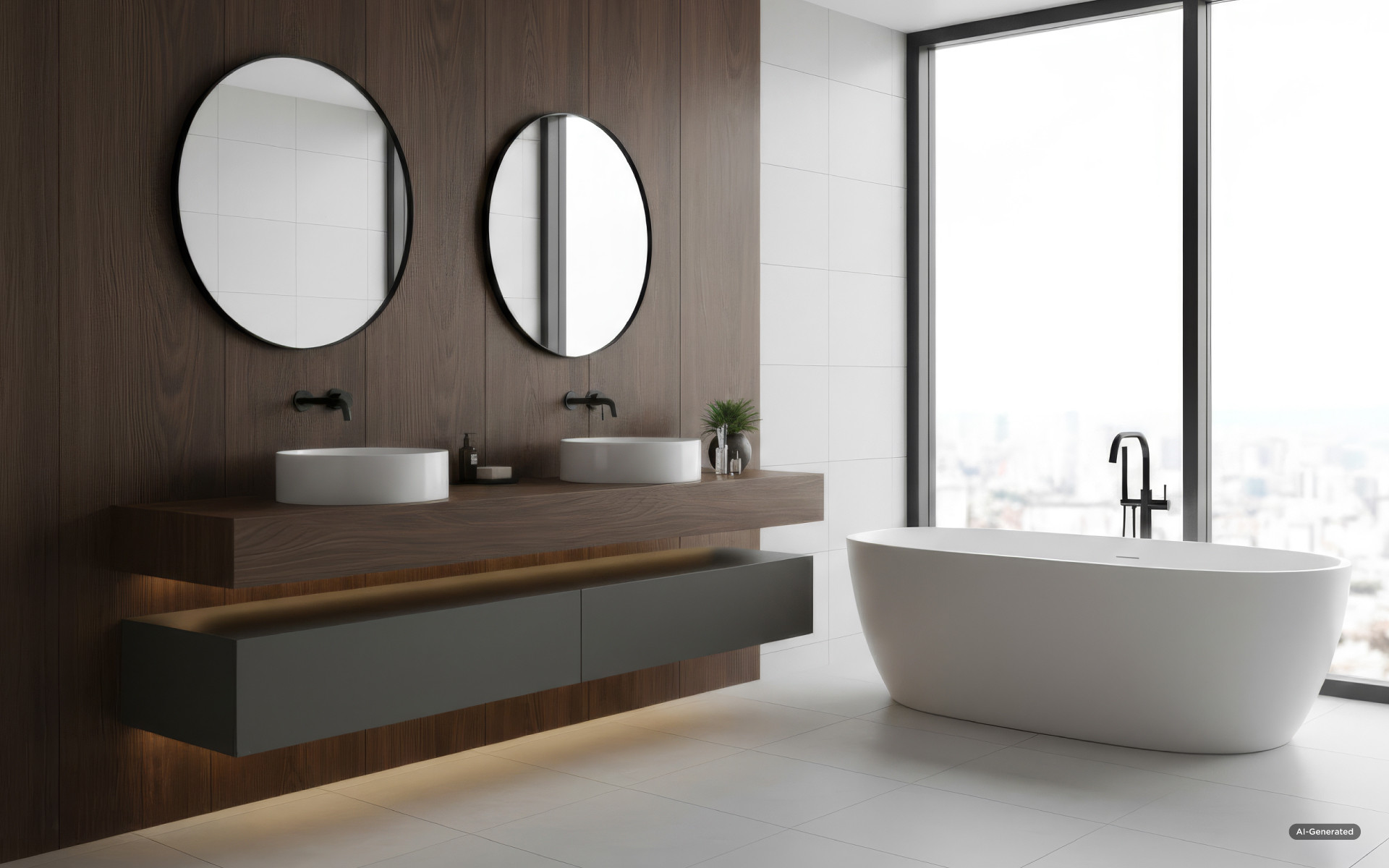
Sanitary spaces in public utility buildings - such as hotels, swimming pool facilities, office buildings, medical or educational establishments - place rigorous demands on finishing materials. Absolute resistance to water and high levels of air humidity is crucial here. While faced furniture boards in such an environment are prone to swelling and delamination over time, high-pressure laminate completely eliminates this risk. By choosing HPL compact panels, bathrooms and toilets are equipped with a durable, waterproof material.
Thanks to its homogeneous structure, pressed under enormous pressure, the compact panel does not swell or delaminate even upon direct and prolonged contact with running water. What is more, its dense, non-porous structure naturally blocks the growth of mould and fungi. This phenomenon, combined with a certified antibacterial coating (such as the A.BAC technology from the K&B collection), allows for the maintenance of the highest hygiene standards. It is precisely the very low water absorption and high dimensional stability (parameters measurable under EN 438-2) that make self-supporting HPL panels the target engineering material in the B2B sector for designing system sanitary cubicles, durable WC enclosures, swimming pool lockers or intensively used bathroom surfaces.
Availability of Puricelli HPL in stock and lead times
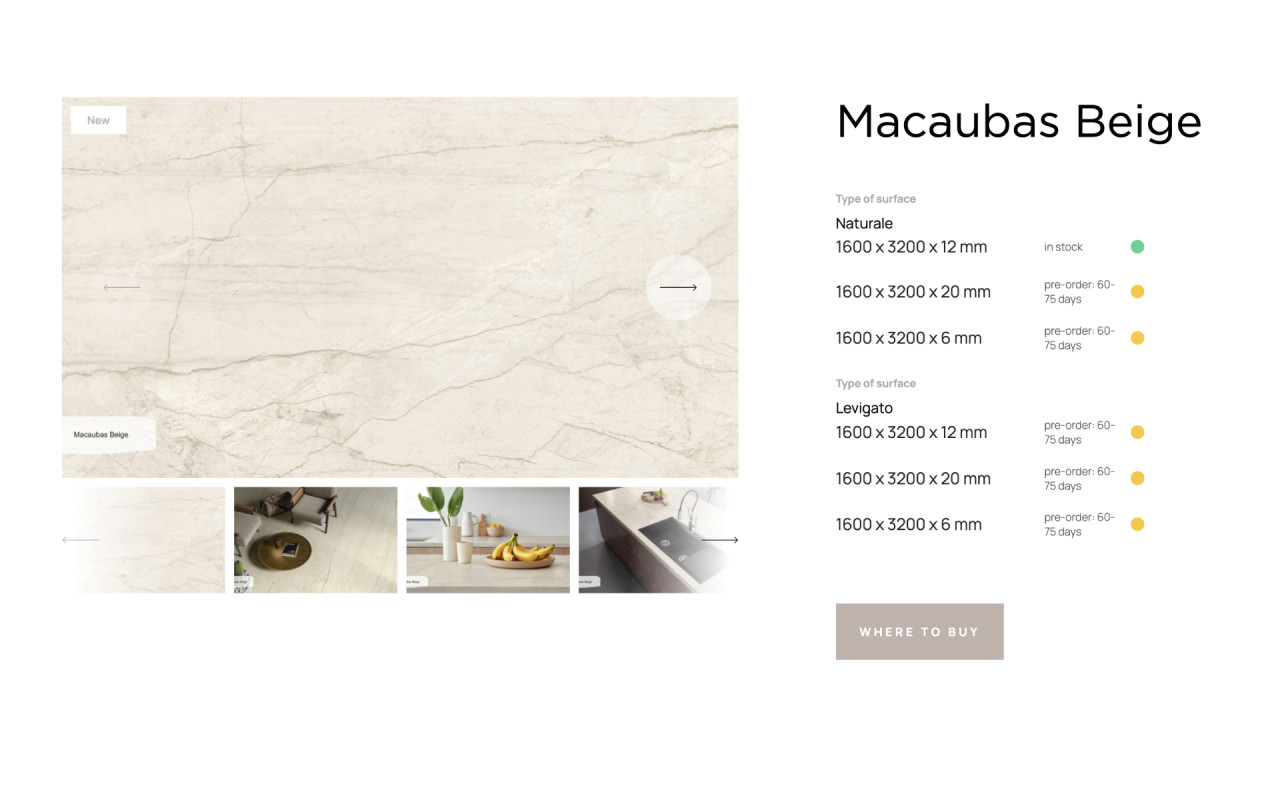
We understand how important the timely delivery of materials is for the fluidity of a commercial investment. Therefore, we have divided the Puricelli HPL panel offer into an assortment available immediately from our stock and products made to order. An undeniable advantage of our stock offer is its flexibility - a minimum order can be placed for just ¼ of a sheet, and for the convenience of our clients, we offer cutting the material sheets into halves and quarters (both along and across).
When planning to use Architype laminates in a project, it should be remembered that availability always refers to a specific configuration: decor, surface finish, thickness and format. In practice, this means that a selected pattern may be available off the shelf as a 12 mm thick worktop, while the same decor in a 4 mm thickness will require importing from the factory.
The lead time for orders is dependent on our current stock levels and delivery logistics. In turn, in the case of made-to-order panels, the delivery schedule stems directly from the production cycle and international transport. For this reason, we do not operate with universal delivery times that we could express in a specific number of days. The final schedule is always drawn up and confirmed by the account manager at the time of placing the order.
For the convenience of those interested in the Architype offer, information on availability, as well as an estimated lead time for options that are not available immediately, can be found on the decor palette page and the subpages of individual materials.


HPL, melamine-faced chipboard or CPL - what are the technological differences?
At the cost estimation stage of commercial investments, the differences between HPL and CPL laminate or standard melamine-faced chipboard are analysed, among other things. In order to make the optimal choice, one must understand the technological structure of these raw materials. Melamine-faced board is created by directly pressing a decorative film (resin-impregnated paper) onto a chipboard or MDF core. It is a very popular, economical solution that proves itself well in standard, domestic furniture projects. However, because it consists of a single decorative layer lacking a reinforcing core, its resistance to strong mechanical impacts in intensively used public zones is inevitably limited.
A higher resistance is offered by CPL (Continuous Pressure Laminate). Produced in a continuous pressing process, it has layers of kraft paper in its structure. Its advantage is high flexibility - it is an ideal material for postforming processing, which is why it is used on rounded edges, profiled window sills or door leaves.
In turn, in places exposed to intensive use (e.g. hotels, schools, offices, medical facilities), the best solution is high-pressure laminate (HPL). As a highly regarded Italian manufacturer of HPL panels, Puricelli produces this material in multi-platen presses, where it is subjected to high temperature and high pressure. The key difference here is the compact structure consisting of multiple pressed layers of core paper. It is precisely this multi-layer core that ensures HPL provides the highest resistance in this comparison to abrasion, moisture and impacts from hard objects. Thanks to this, HPL furniture fronts, wall panels or reception desks guarantee long-term durability in the most demanding commercial environments.
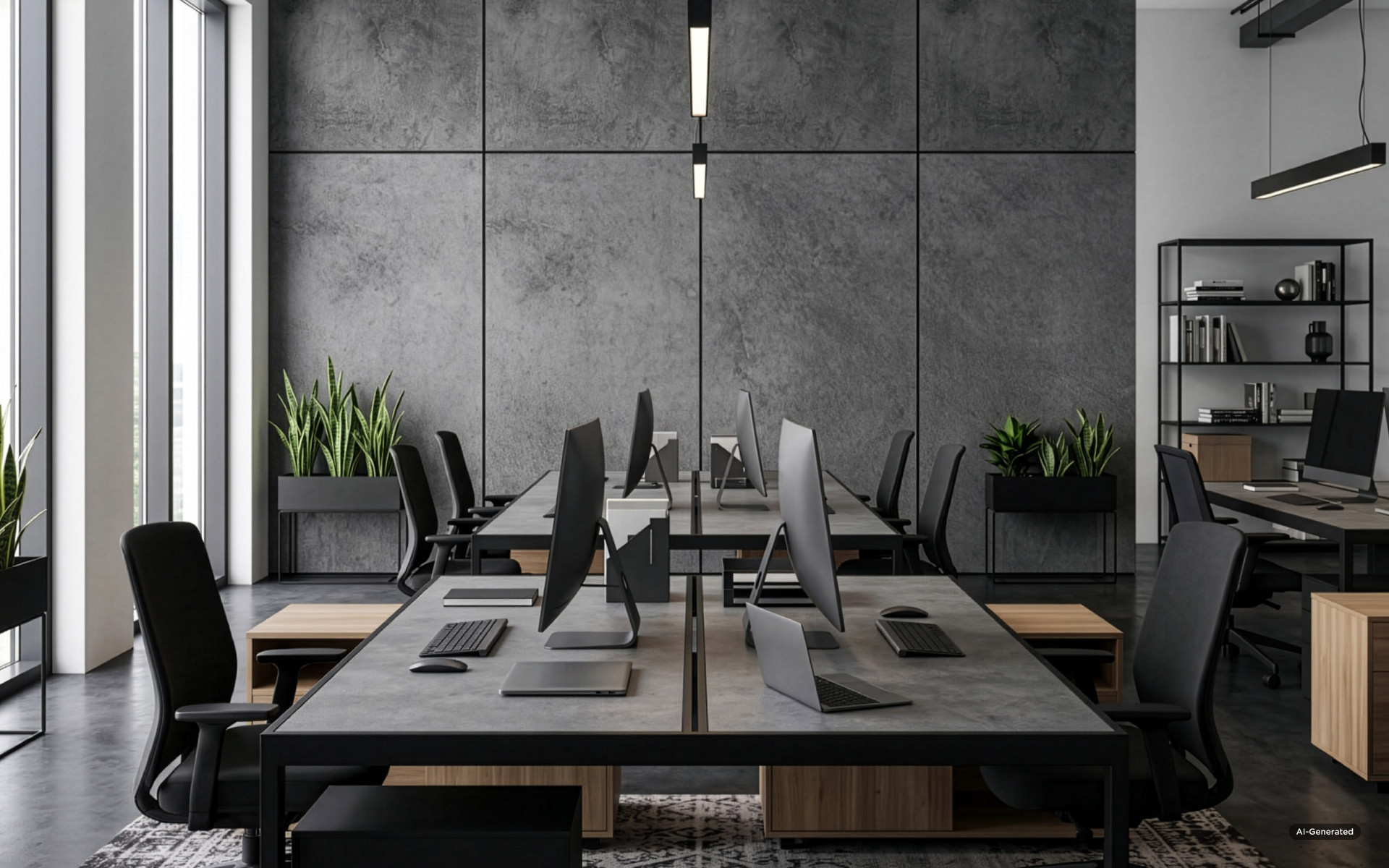
In the design of demanding commercial spaces, there is no room for qualitative compromises. The use of "cheap substitutes" can bring an effect contrary to the intended one. This applies to various elements, from building materials, through finishing materials, up to furniture and accessories. Let us focus on finishing materials - the approach we recommend is a rational division of the budget depending on the function that a given surface performs. As a distributor, we advise our clients on the selection of a raw material that precisely responds to the actual loads in a specific zone.
In the case of commercial interiors, horizontal and vertical planes must be clearly separated. Horizontal ones are exposed to point impacts, abrasion by moved dishes and equipment, the action of strong chemicals or mechanical loads. In such much more demanding conditions, engineered quartz remains irreplaceable, providing uncompromising durability. Vertical surfaces, on the other hand, face completely different challenges. They require impeccable hygiene, high impact resistance, as well as protection against acts of vandalism, such as graffiti. In these zones, HPL laminate is a solution that surpasses engineered quartz in its functionality. However, the decision should be based not only on geometry (vertical/horizontal), but above all on the intensity of use. Engineered quartz remains the uncompromising choice for intensively used areas in kitchens (e.g. where food is prepared) or main reception counters, providing a genuine advantage in terms of scratch and abrasion resistance, point impact resistance, as well as offering machined edge profiles and near-invisible joints. On the other hand, HPL worktops are a tailor-made solution for sanitary zones, laboratories, educational facilities, and hotel back-of-house areas.
The effect of such a division results from several factors that directly influence financial and logistical matters:
- Comparing equal material areas, 6.8 m² of engineered quartz (at a thickness of 20 mm) reaches a weight in the region of 320 kg, while an analogous surface area of 12 mm thick HPL laminate weighs merely approx. 110 kg. This difference in mass significantly changes the requirements for the substructure. Heavy material forces the use of specially designed, more expensive frames. The relatively light 12 mm HPL can be successfully mounted on standard profiles with a considerably wider support spacing, bearing in mind to maintain a minimum 30 mm ventilation gap from the wall. To accommodate natural material movement, fixing holes must be drilled 2 to 3 mm larger than the fastener diameter.
- A large-format Puricelli HPL panel (4200 x 1620 mm) provides 6.8 m² of ready cladding in just one single sheet, and KRAFFTEN panels (also HPL, available in our offer) offer as much as 7.9 m² of uniform plane (4300 x 1830 mm). In the case of walls with a standard height of 2.7 m, this allows for covering the entire vertical section without any visible horizontal joint, or with just one. Engineered quartz in the 3200 x 1600 mm format forces the use of a larger number of elements. A smaller number of panels to install means shorter working time for the assembly team and a reduction in costs.
- The largest HPL panel (the 12 mm KRAFFTEN panel) weighs approximately 126 kg, while an analogous, equally large surface area of engineered quartz would weigh well over 300 kg. The use of laminates on vertical surfaces allows for a smaller size of the construction team, no need to organise expensive, specialised equipment for lifting slabs, and increases the probability that the material will fit into circulation areas in order to be carried onto a given floor.
- In commercial projects, vertical planes are usually many times larger than horizontal ones. Material optimisation on such a large square footage brings an immediate, comprehensive effect for the investment budget. In turn, attempts to optimise the costs of finishing horizontal surfaces may negatively affect their operational properties, yielding almost no noticeable gains.
The choice of a properly selected HPL laminate is therefore a fully conscious and justified decision. In many advanced projects, this material, as one of the few, can meet challenges that other, significantly heavier materials cannot cope with. Important distinguishing features of the raw material also include: the IMO MED certificate (application in the marine industry), the CE mark for construction products (0987-CPR-196) and dedicated series for exterior applications, resistant to all weather conditions as well as graffiti pollution. The above characteristics of the material prove that it is something much more advanced than a cheap, budget substitute for other types of boards.
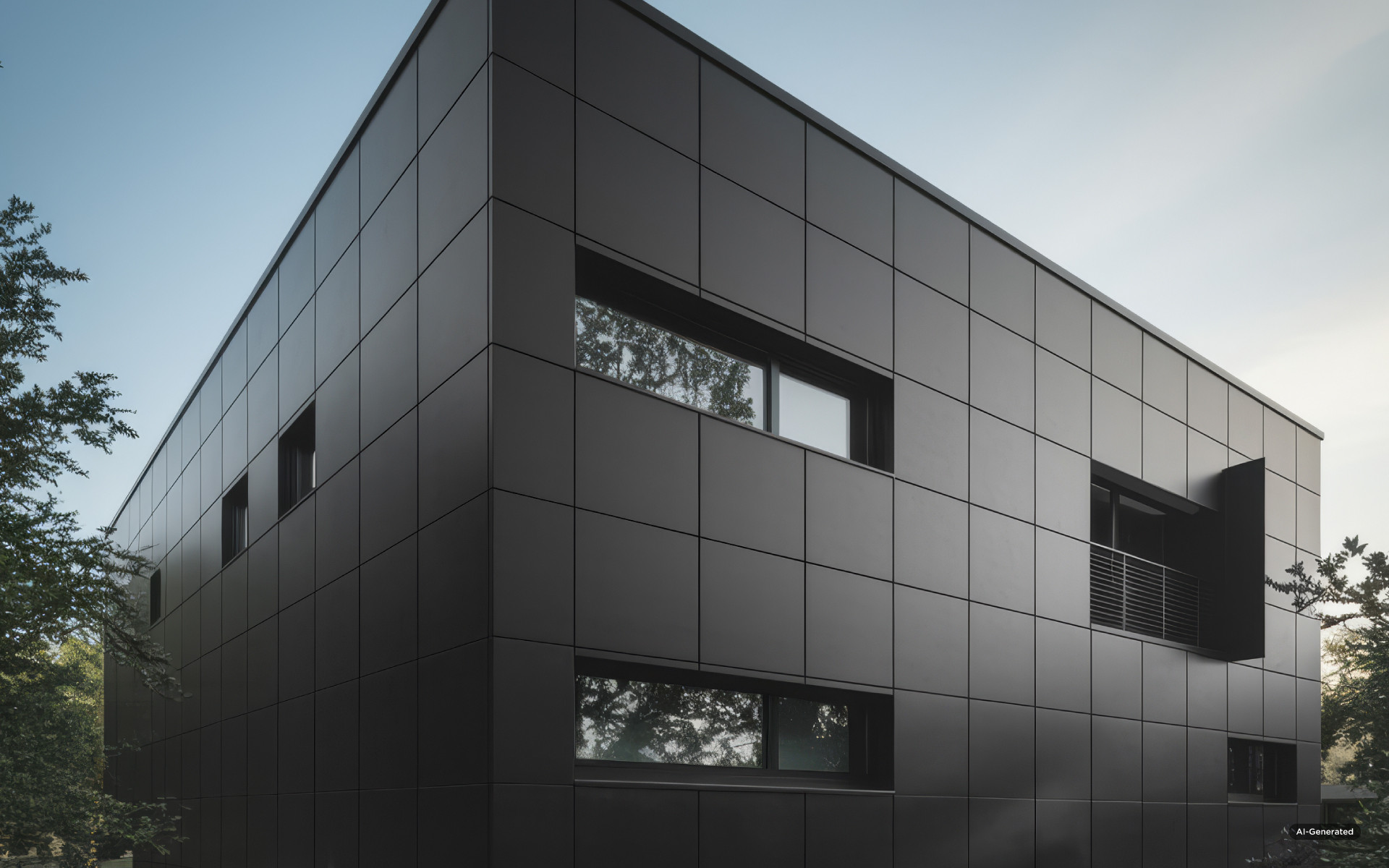
What is most important, however, from the perspective of aesthetics and the final visual perception, the well-thought-out, wide and constantly developing range of decors allows for maintaining the cohesion of the entire interior and exterior elements. This enables designers and architects to perfectly integrate both different HPL patterns or finishes with each other, as well as with other materials, while maintaining an uncompromising standard of execution for the entire investment.
Share:


Other publications
All publications
Architype at Marmomac 2026. Backlit novelties, the return of travertine, and a look at the trends
References
Where to buy large-format sintered stone for the bathroom with high stain and water resistance? A guide to selection and purchase
References
White, cream, or beige? Choosing light large-format sintered stone available instantly
References