



The most versatile decors in the Architype range. How to combine timeless design with functionality in every interior?
References
When choosing finishing materials, we often look for "versatile" solutions. But what is true versatility in interior design, and is it even possible? It is a mistake to assume it means predictability or boredom. In reality, it is a very practical investment - creating a timeless base that will look perfect even if we decide to completely change the style of the apartment in a few years. A truly versatile material must meet two conditions: on the one hand, it must perfectly adapt to changing trends, and on the other, it must perform technically in any, even the most demanding, room in the house.
Material versatility: beauty without compromise
Before moving on to colors, it is worth looking at the raw material itself. Natural stone undoubtedly impresses, but sometimes it imposes certain limitations on us. Classic marble is relatively delicate and porous, meaning it can absorb stains from wine, coffee, or be damaged by acids, such as those from citrus or vinegar. For this reason, using it in a heavily used kitchen can be risky. Granites and quartzites, on the other hand, will survive a lot, but their weight imposes certain limitations and additional requirements - reinforced furniture carcasses, more difficult and expensive installation, or additional expertise on floor load-bearing capacity for projects requiring a large amount of material. Acrylic solid surface is moldable, hygienic, and allows for various implementations, but under very intense use, its surface can become subject to minor, superficial scratches over time (however, it is worth remembering that it is a renewable material, and any imperfections can be easily removed). The mentioned materials are a great solution in many well-chosen cases, but due to certain conditions, we cannot consider them versatile. However, our range includes solutions that can be described as such. These include:
- Quartz stones - they consist of 93 to 95 percent natural quartz, bound by polymer resins. Such a composition guarantees the material very high hardness and great resistance to mechanical loads, impacts, and scratches. They have a compact, uniform structure without pores or micro-cracks, which means they do not absorb spilled water, dirt, or fats. Importantly for daily use, these surfaces do not require regular impregnation.
- Large ceramic slabs - they are made exclusively from naturally sourced ingredients. They are characterized by a lack of pores and immense resistance to abrasion, scratches, cracking, as well as high temperatures and fire. A huge advantage of this material is the fact that it is relatively lightweight, which allows it to be installed wherever maintaining maximum structural lightness is crucial.
- HPL panels - they are produced from layers of paper impregnated with thermosetting resin, which are subjected to high pressure and temperature. They feature a compact, non-porous structure with very low water absorption, making them resistant to moisture and steam. Furthermore, this material boasts a relatively low weight combined with significant resistance to impact, mechanical damage, and abrasion.
One decor, many spaces: the entire house finished with the same material
The excellent physical parameters of the materials described in the previous paragraph give designers plenty of possibilities. Their technological versatility allows for the application of the total look concept. This means we can choose one favorite decor and apply it throughout the whole house. The same material will work as a food-safe kitchen countertop, elegant wall cladding in the living room, lighter cabinet fronts, and a waterproof surface in the bathroom shower. Such a solution guarantees spatial coherence and visual harmony in the interior.
A visual base: versatile Architype decors that will serve us for decades
Visual versatility is primarily about the subtlety of the pattern and a color palette that harmoniously blends with other materials. A truly versatile material acts as a perfect connector - it will emphasize the natural warmth of oak wood, the architectural rawness of fluted glass, and the jewelry-like gleam of brass details with equal grace. When we want to transform a room after a few years by merely changing the lighting, fabrics, or cabinet handles, our base countertop, floor, or wall cladding will seamlessly adapt to the new concept instead of dictating it. Which decors will best stand the test of time? Discover four categories!
1. Decors in shades of white
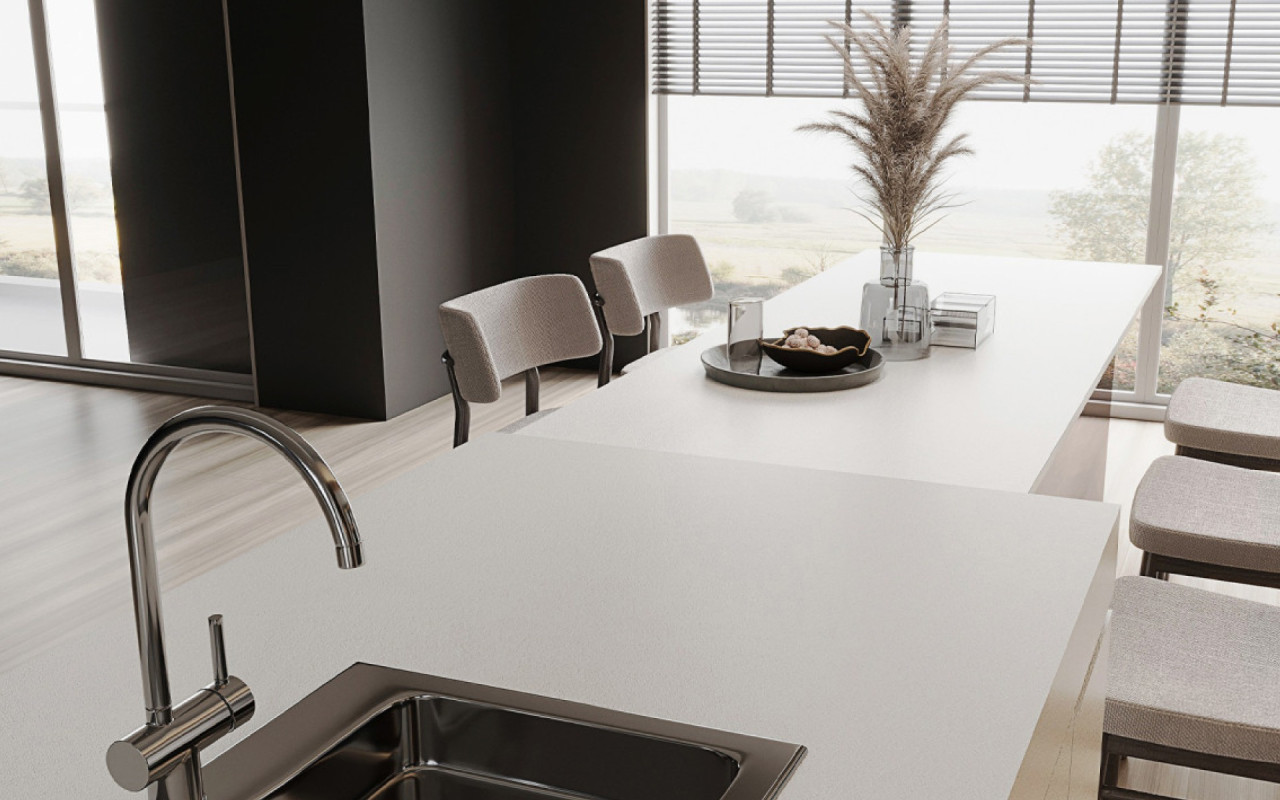
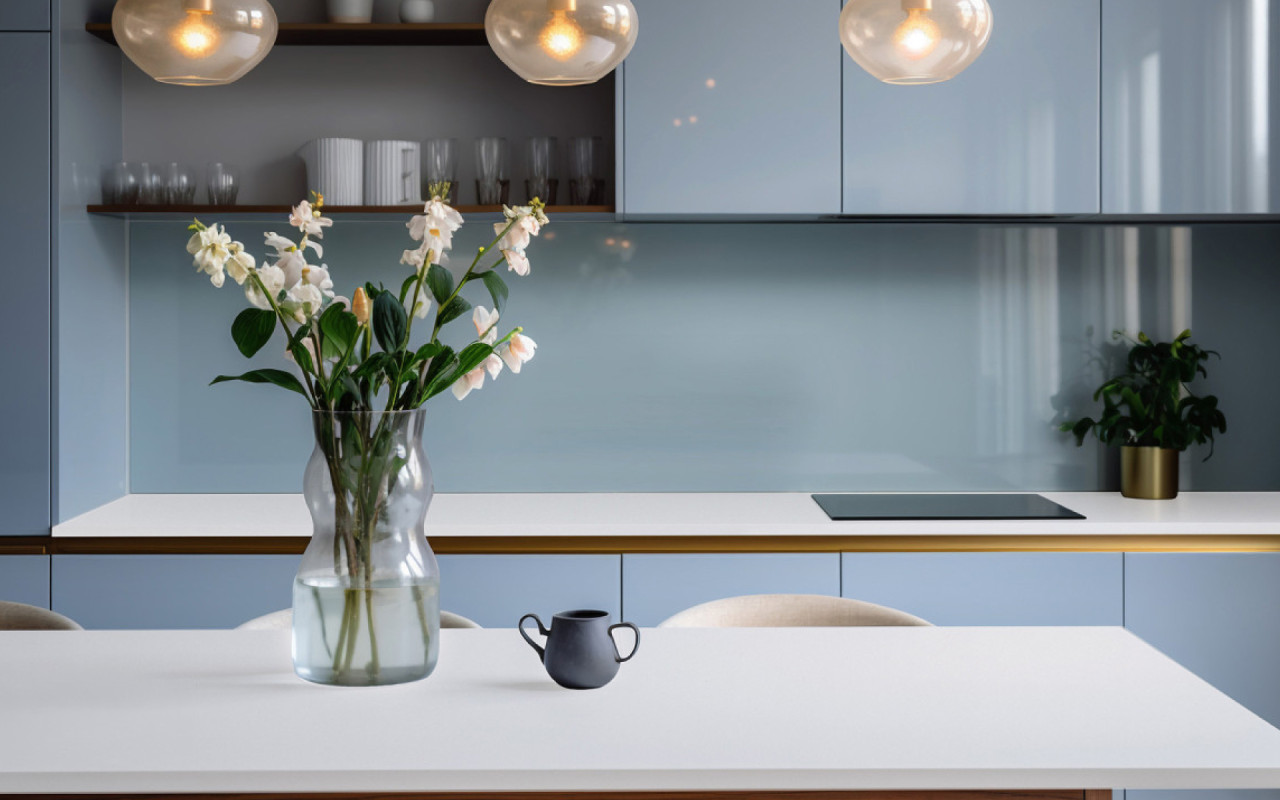
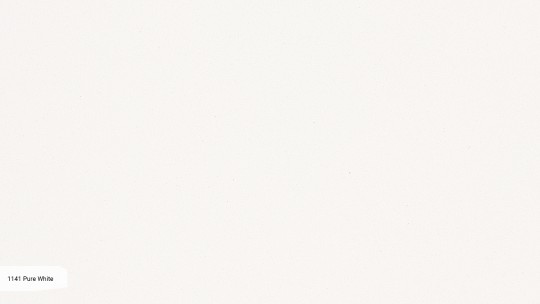
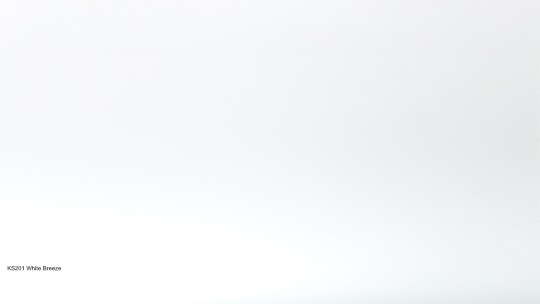
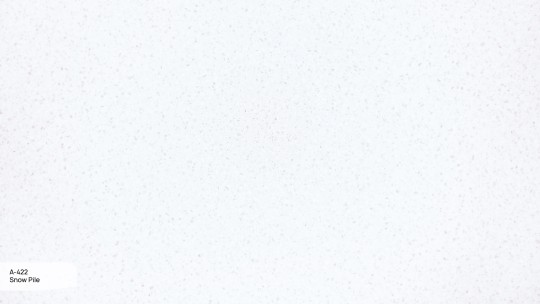
Pure white is a reliable foundation for an arrangement and, at the same time, a synonym for freshness. White decors, regardless of whether we choose a matte or high-gloss finish, wonderfully brighten the interior, optically enlarge it, and provide a perfect backdrop for literally any color and material. Changing the wall color or replacing furniture will completely transform the character of the room, while the white elements remain an invariably elegant base perfectly tailored to any new concept. These decors perfectly suit styles such as Scandinavian, classic, or modern minimalism.





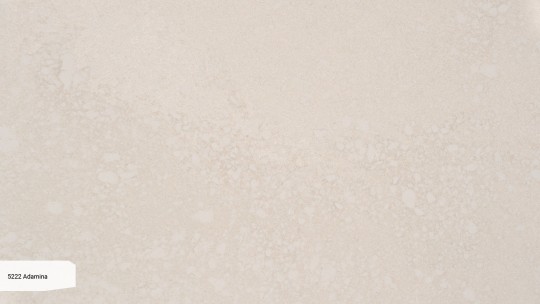
2. Decors in shades of beige and sand
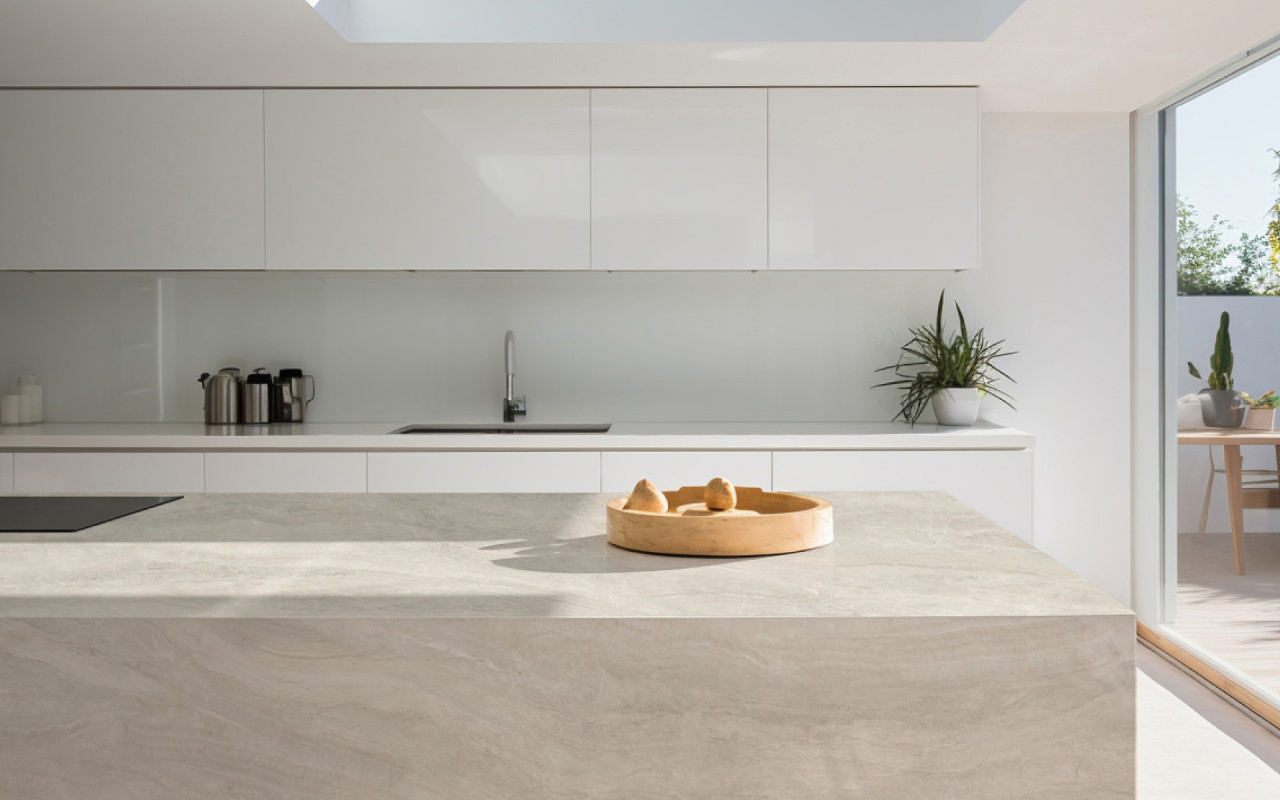
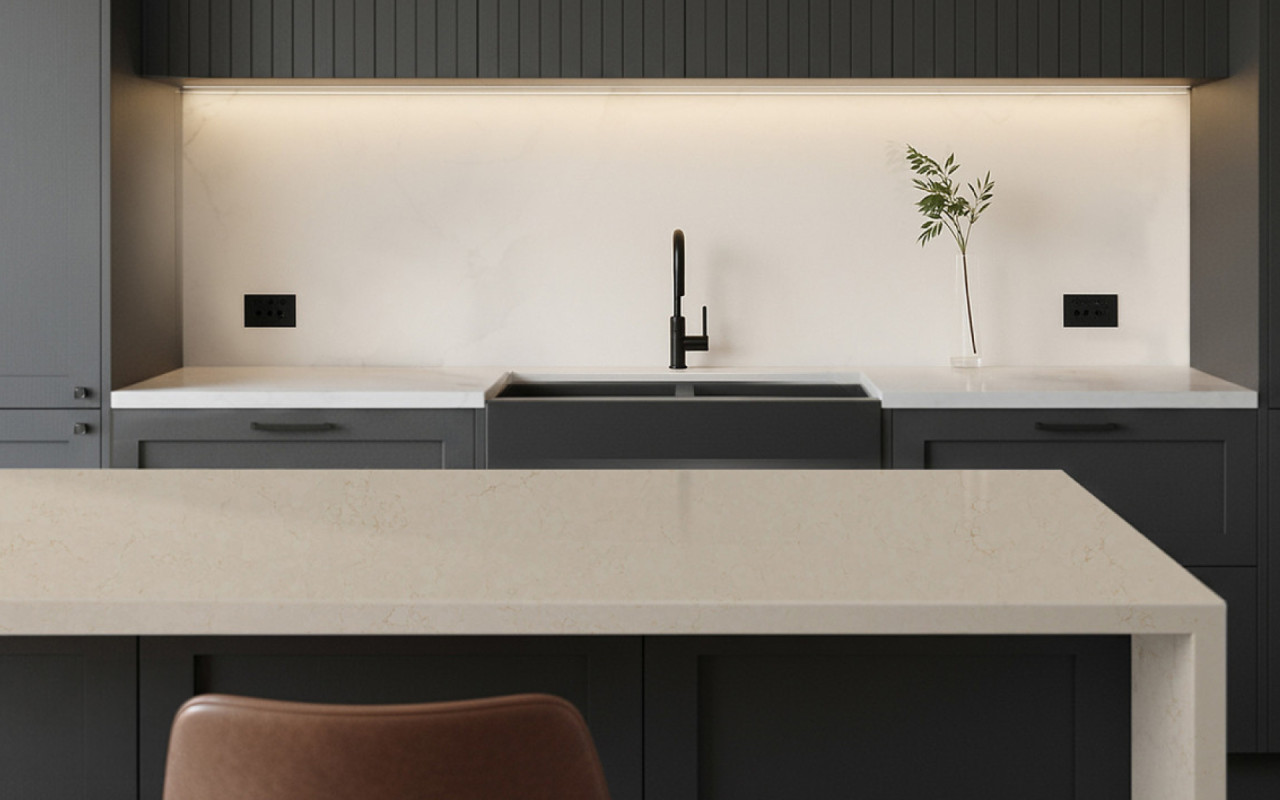
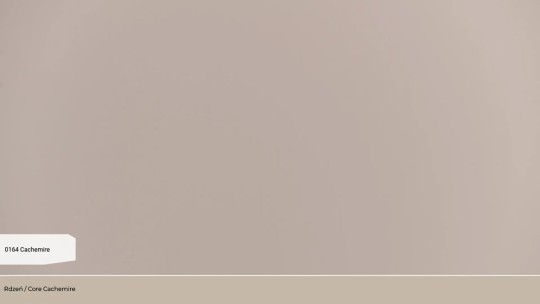
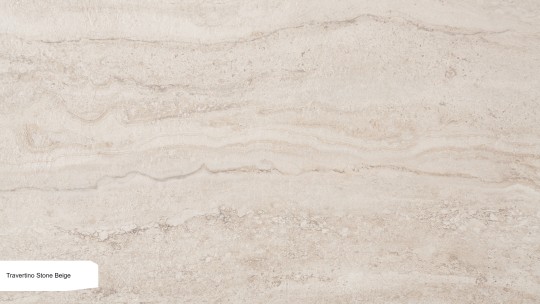
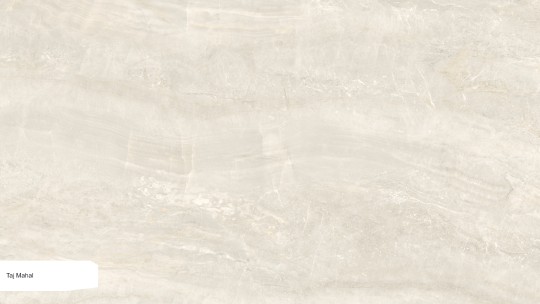
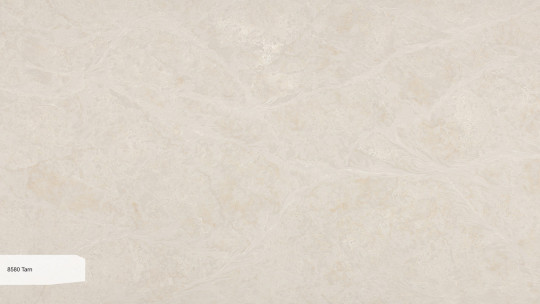
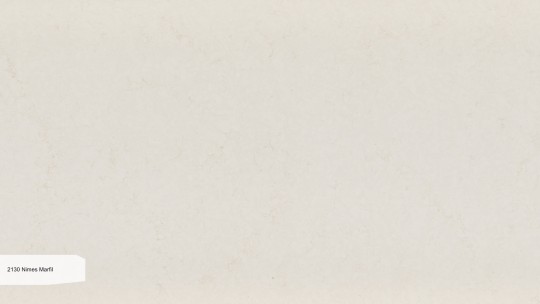
Warm earth tones are a proven way to introduce cozy harmony and natural warmth into an interior. Decors in shades of sand, warm beige, or delicate greige effectively soften the sharp, geometric forms of furniture. Their versatility lies in how smoothly they blend with light oak wood, linen textiles, and live plants, creating a soothing and balanced space. Thanks to their gentle character, these decors perfectly suit styles such as Japandi, boho, soft minimalism, as well as rustic and classic arrangements.
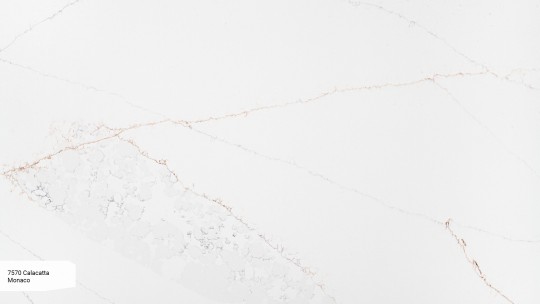
3. Decors inspired by marble with delicate veining
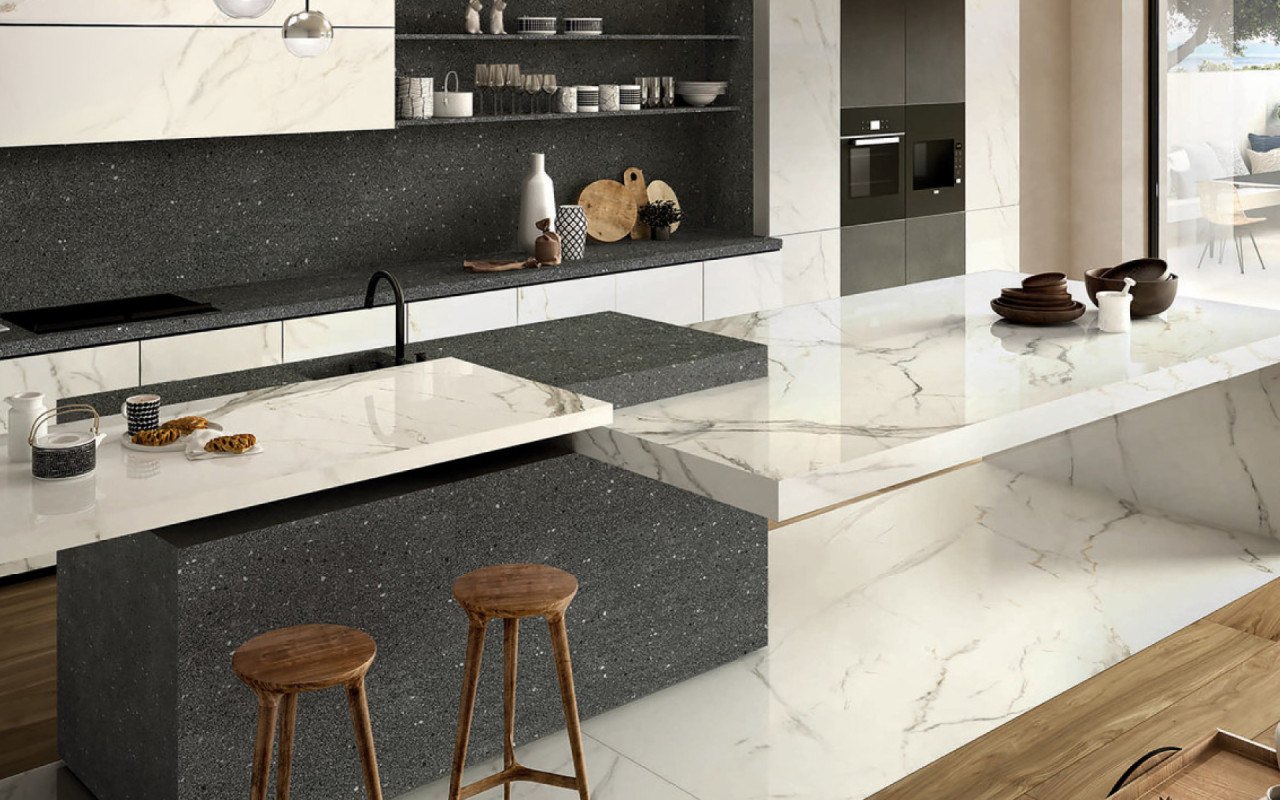
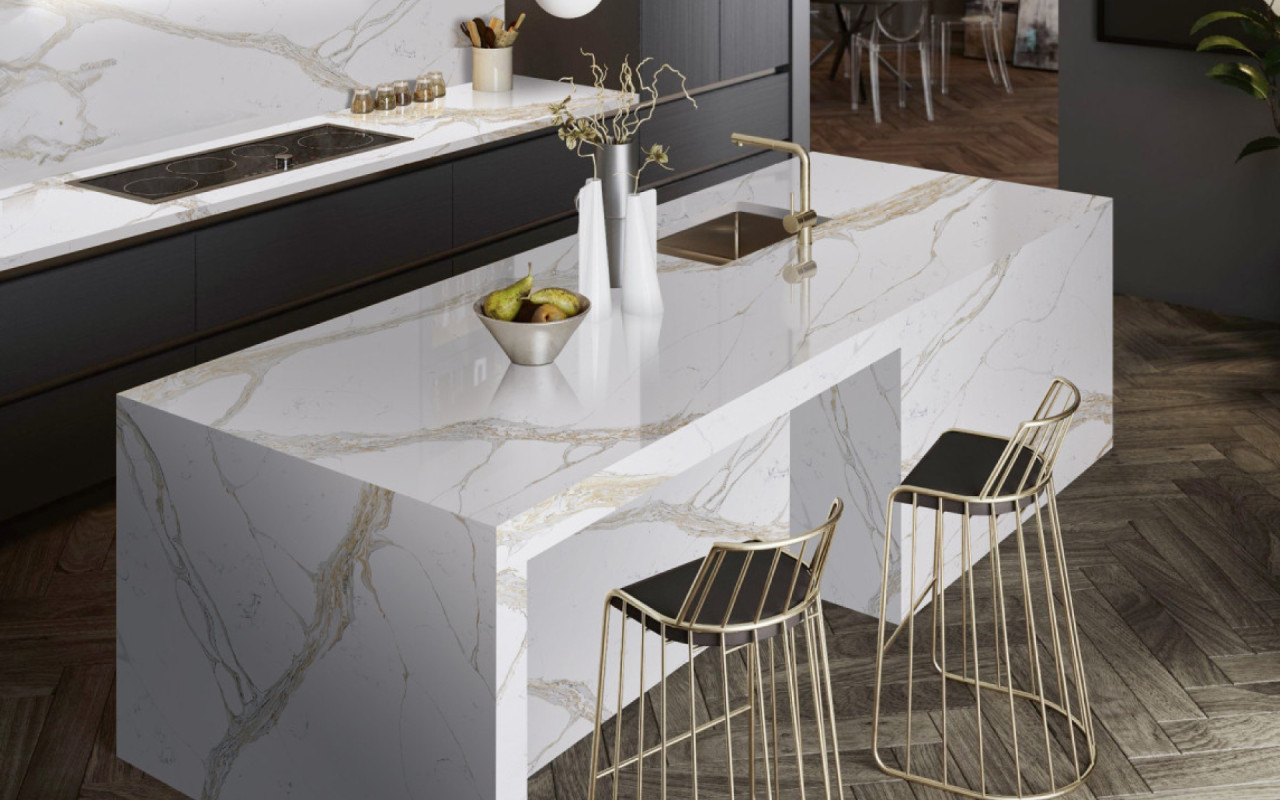
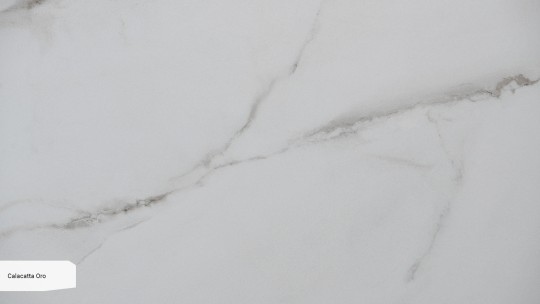
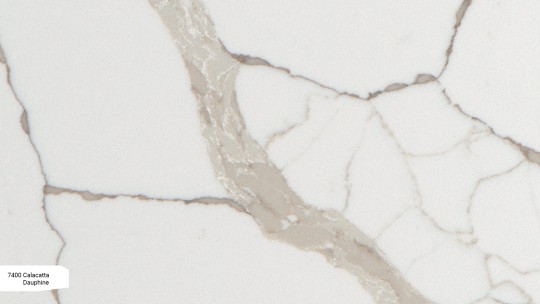
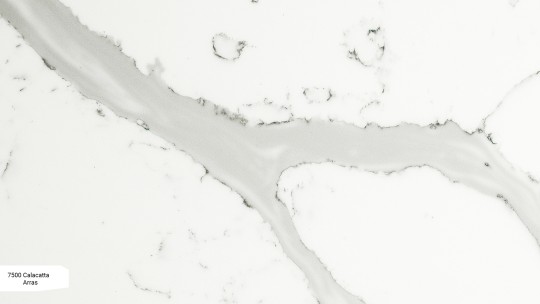
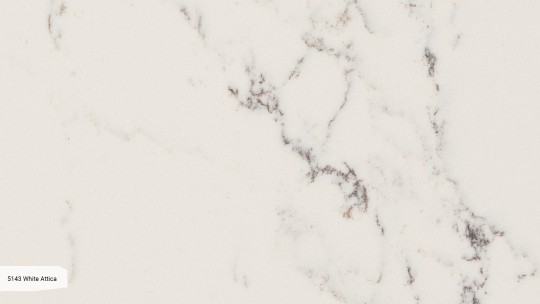
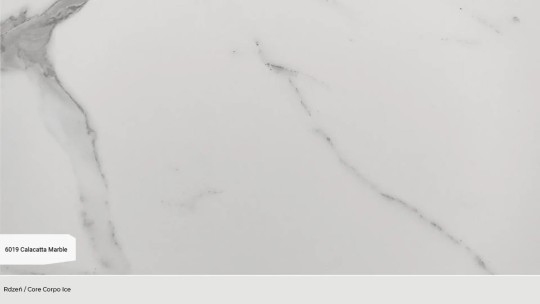
Subtle marbles provide the elegance and nobility associated with the natural raw material. White or light gray surfaces with delicate, unobtrusive veining are a pattern that never goes out of style (or at least, it hasn't since ancient times). Modern Architype materials can perfectly imitate original, luxurious natural stones, such as Calacatta or Carrara. Their versatility is evident in the fact that they correspond equally well with raw steel and glass, as with brushed brass and soft, velour fabrics. Due to their timeless class, these decors fit wonderfully into modern classic, New York, and glamour styles, as well as broadly understood modern elegance.
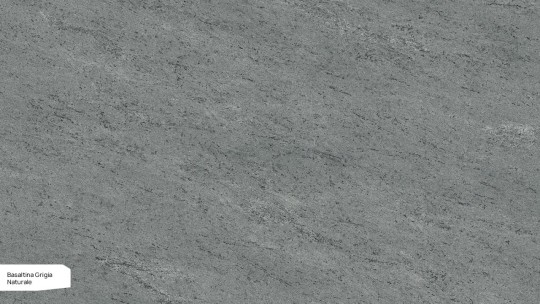
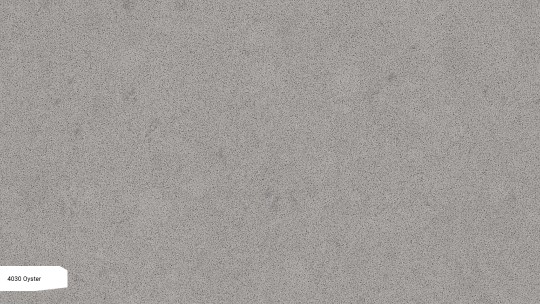
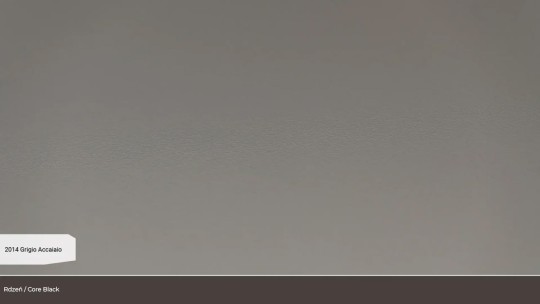
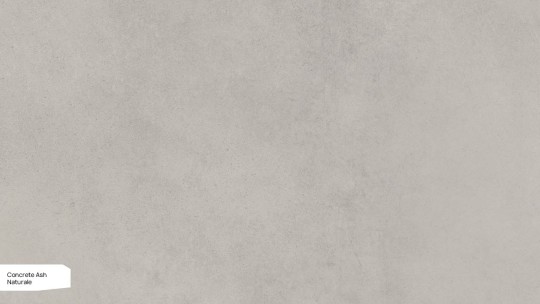
4. Decors in shades of gray and concrete
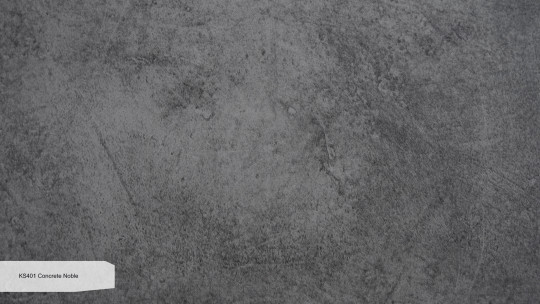
Architectural grays and concretes introduce a neutral, interesting, and moldable rawness to a space. Materials with an original finish, maintained in balanced shades from light ash to deep graphite, act as an excellent color buffer in the interior. They can perfectly balance the loud, intense colors of accessories, while at the same time very naturally complementing red brick, metal, or walnut wood. Thanks to their subdued yet distinct aesthetics, materials from this category ideally suit styles such as loft, industrial, modern, and minimalist.
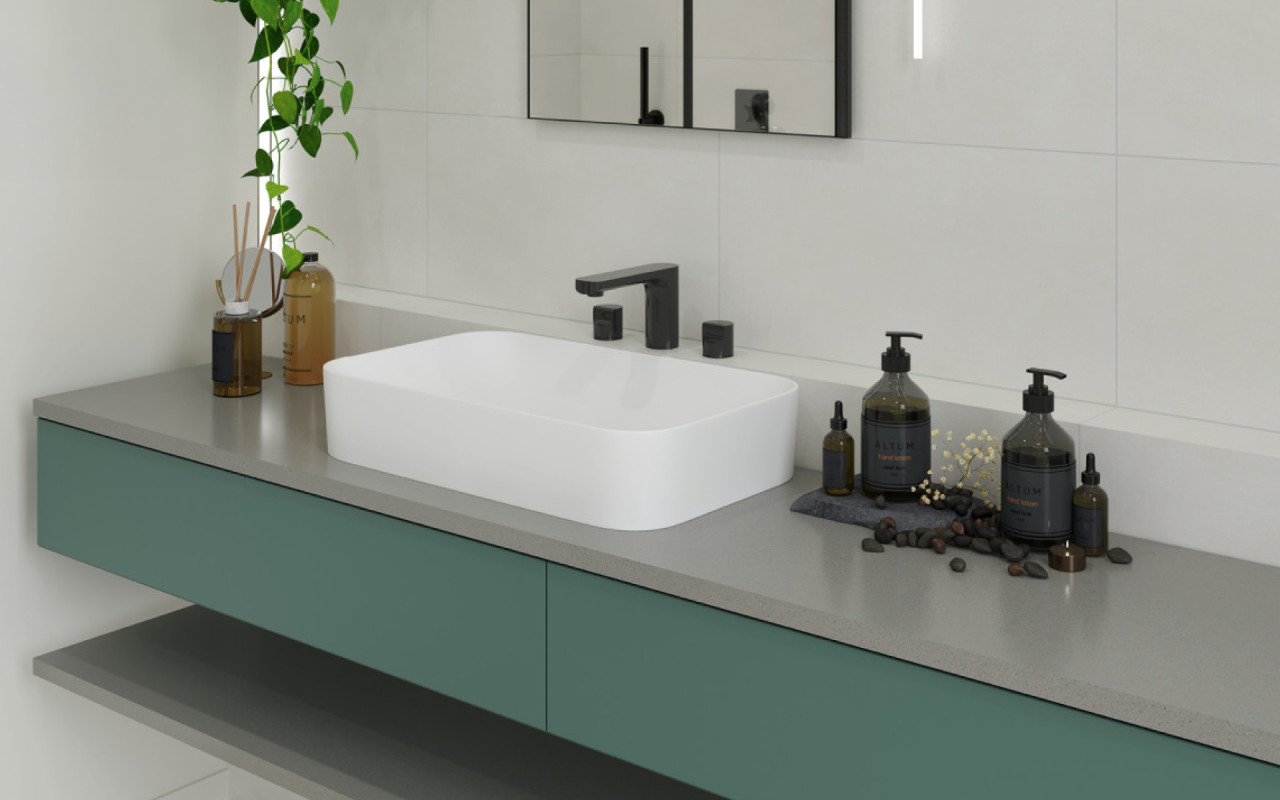
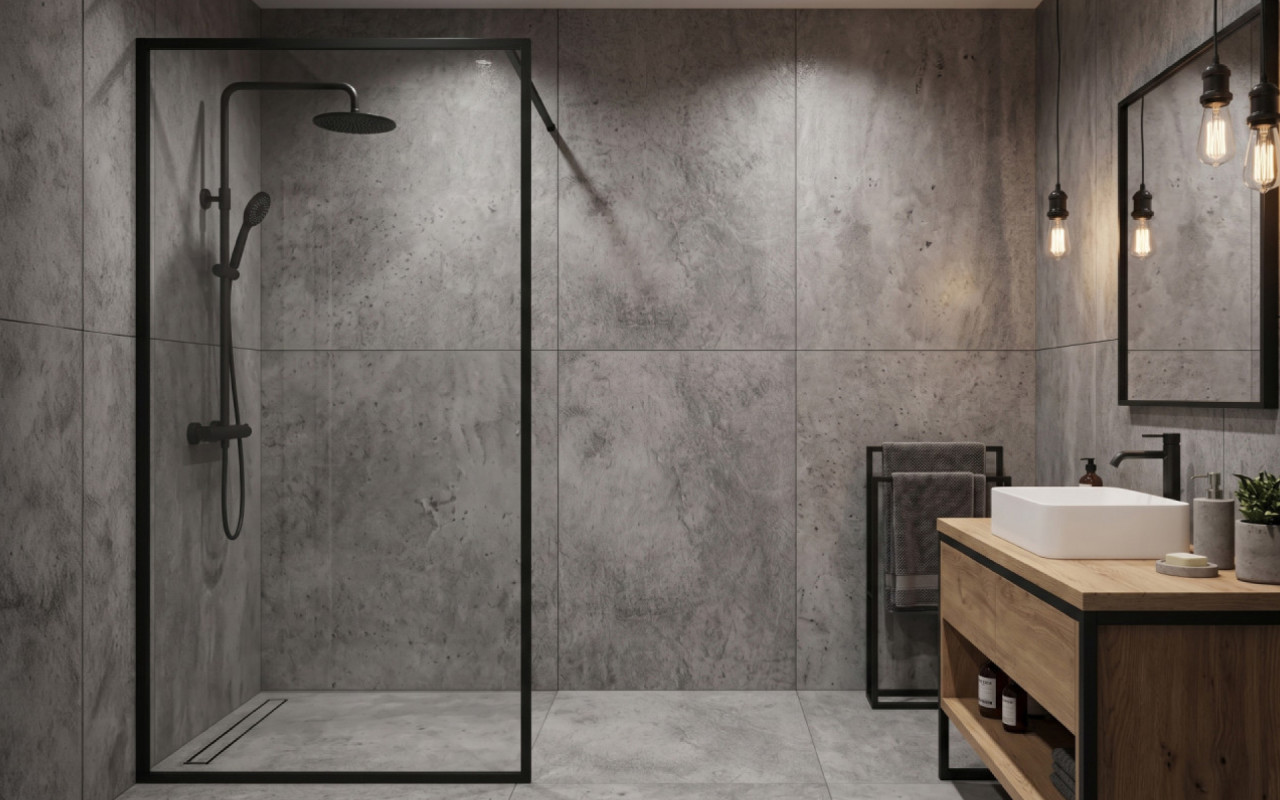
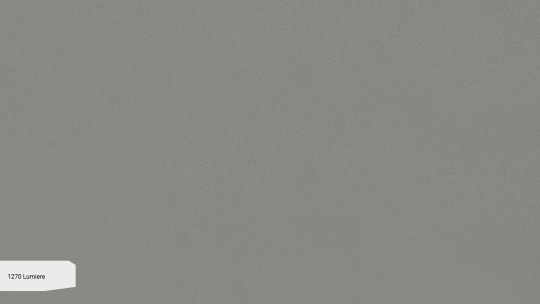
Regardless of the chosen style, a versatile material is one that offers peace of mind for decades. Visually, we are certain that it will survive changing fashions and fleeting trends, and technologically, we know it will handle any challenge of everyday life.
Share:


Other publications
All publications
Architype at Marmomac 2026. Backlit novelties, the return of travertine, and a look at the trends
References
Where to buy large-format sintered stone for the bathroom with high stain and water resistance? A guide to selection and purchase
References
White, cream, or beige? Choosing light large-format sintered stone available instantly
References