



GRANDEX acrylic solid surface - an irreplaceable material for commercial projects. Why is it so widely used in HoReCa, retail, and healthcare?
References
GRANDEX acrylic solid surface is a material created for complex architectural projects where rigid cladding materials - such as the otherwise excellent engineered quartz or large-format ceramic slabs - encounter physical limitations. Acrylic solid surface possesses unique "superpowers": thermoforming, virtually invisible joints, and the option for on-site surface repair. Today's article will take a closer look at these distinguishing features!
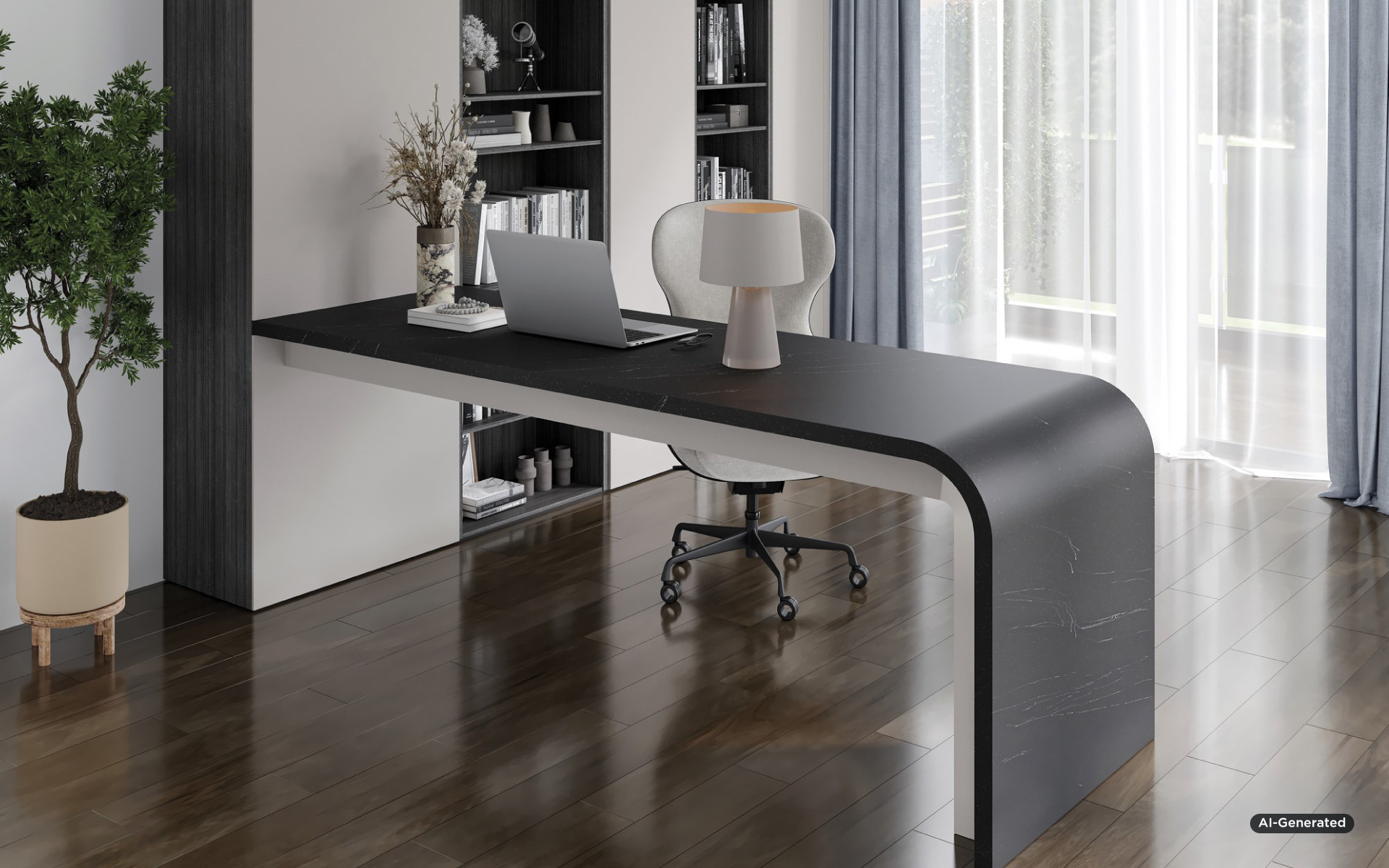
Material format and production batch specifics
GRANDEX sheets are produced in a standard format of 3680 x 760 x 12 mm (selected Pure Color decors, including P-104 Pure White and P-105 Pure Black, are also available in a 2500 x 760 x 6 mm option). The significantly narrower sheet width compared to engineered quartz or large-format ceramic slabs stems from the technological constraints of acrylic production, rather than being a flaw.This characteristic does not limit worktop length or width: sheets are joined using a dedicated acrylic adhesive, and a properly sanded joint is virtually invisible.
To achieve a perfect, monolithic final result, a proven practice in fabrication workshops is to verify the material batch before cutting. Because GRANDEX mineral-acrylic surfaces are based on natural minerals, subtle nuances in shade can appear between individual production runs - which is a natural characteristic of this raw material. For this reason, the manufacturer recommends performing a trial colour match at the seams. If you are unsure about a batch number on a warehouse pallet, contact Architype before cutting.
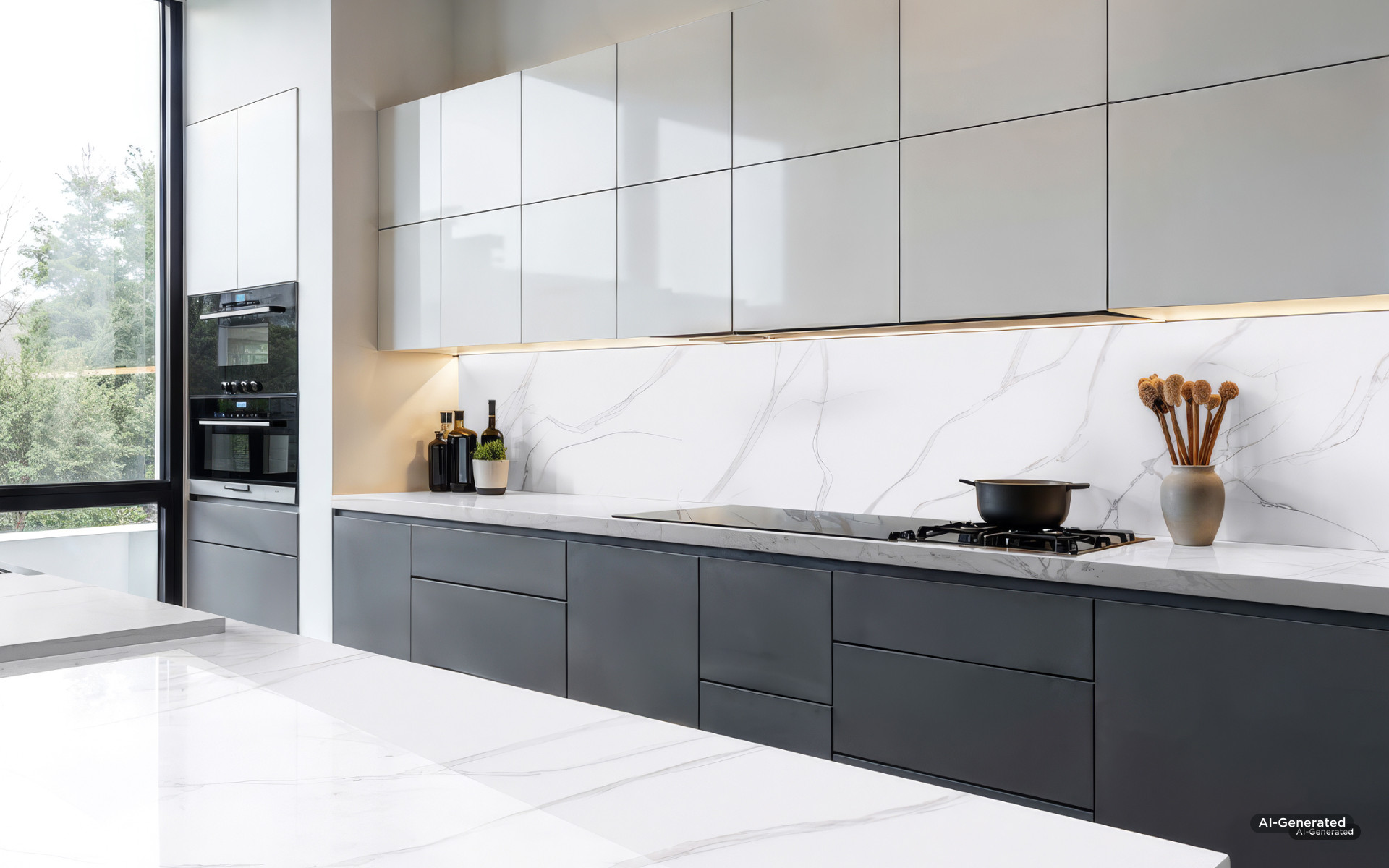
GRANDEX acrylic solid surface in the HoReCa sector
The hospitality and catering industry is an environment where design must seamlessly blend with peak functionality and an exceptional guest experience. In such projects, GRANDEX acrylic solid surface clearly proves its technical and visual superiority, enabling the realisation of visions that are physically unattainable with other materials.
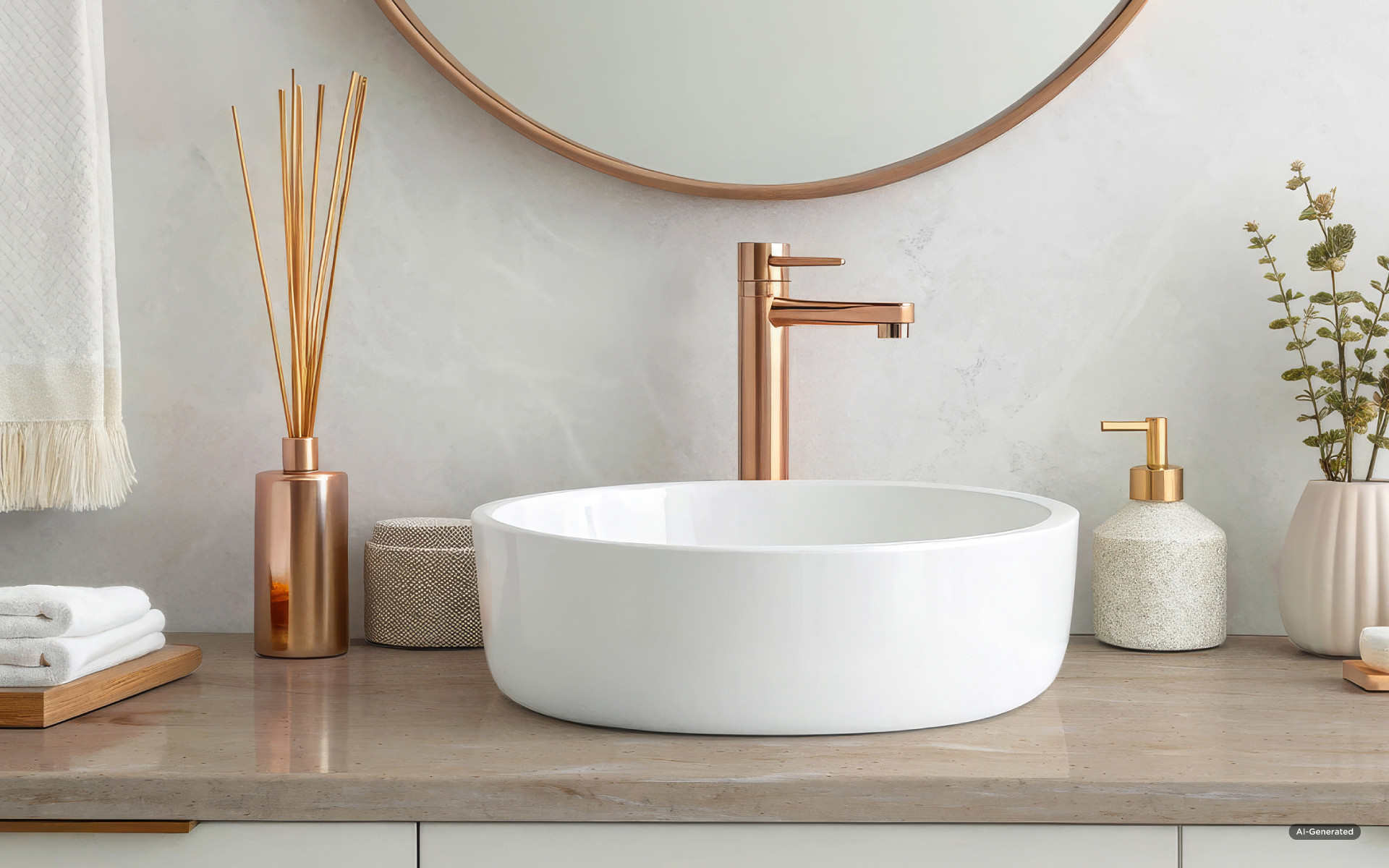
Hospitality - bespoke reception desks and the visual power of a monolith
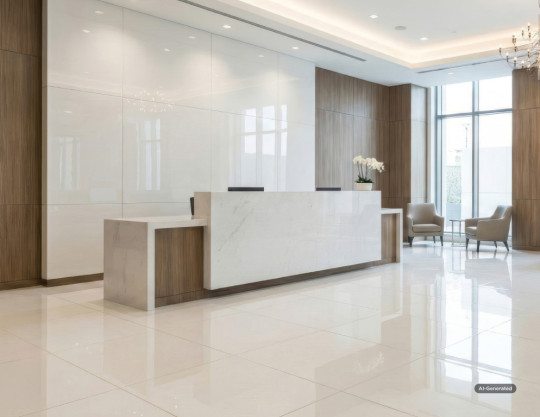
The first impression in a luxury hotel is built right from the threshold, and the absolute centrepiece of any lobby is the reception desk. In contemporary projects, architects favour large-scale, sculptural forms that visually create a single, cohesive solid. The choice of raw material should always be based on its intended function. While engineered quartz and large-format ceramic slabs are irreplaceable in areas exposed to extreme mechanical loads, rigid materials face form limitations when dealing with complex, extensive shapes - they will always require visible (even if minimised) grout lines or silicone joints. GRANDEX, on the other hand, possesses the unique property of chemical bonding. By using dedicated acrylic adhesives, the edges of individual sheets melt together. Following professional sanding, the result is a worktop with a virtually invisible joint. The effect? Regardless of whether the custom-made reception desk is 5 or 15 metres long, the finished element appears to be carved from a single, gigantic block of stone. This feature allows designers to create infinitely long surfaces and bend them at any angle, which is simply technologically impossible with other materials.
Acrylic solid surface in gastronomy - thermoforming, hygiene, and extraordinary visual effects
In restaurant spaces, cafés, and exclusive bars, design directs the flow of guests and builds the intimate atmosphere of the venue. Venue owners compete with increasingly original interior design ideas to provide guests with unique experiences, an exceptional atmosphere, or... a great backdrop for aesthetic photos!
One of the most interesting and ever-growing trends is moving away from sharp angles in favour of organic, curved lines. In this area, the GRANDEX composite is second to none. The key to this design freedom is the thermoforming of acrylic solid surface. In this process, the GRANDEX sheet, when heated to a temperature of 150-170°C, becomes highly pliable, allowing it to be moulded into even the most complex shapes. The flat sheet itself features a very high bending strength of ≥ 66 MPa (a value confirmed by testing according to the EN ISO 178:2011 standard in Declaration of Performance No. 1/2023). Thermoforming is essentially the only method for creating integrated, intriguingly curved bar counters, rounded seating, or original, undulating island fronts from this group of materials. Traditional claddings, such as engineered quartz, large-format ceramic slabs, or natural stone, are completely resistant to bending and shape modification via high temperatures. Furthermore, under the European Classification EN 13501-1:2019, 12 mm thick GRANDEX sheets achieve high fire safety parameters in building applications (class B-s1,d0).
Additionally, selected GRANDEX decors feature translucency. Appropriate routing of the sheet from underneath and the incorporation of LED modules allow for a spectacular illuminated stone effect. Such backlit decorations build a warm yet luxurious atmosphere, becoming the venue's most recognisable focal point and a source of pleasant, diffused light.
GRANDEX acrylic solid surface in healthcare facilities
Designing spaces for the healthcare sector - from private dental practices to large hospital wards - involves rigorous sanitary requirements. In such conditions, medical worktops must meet challenges that go far beyond standard expectations.
A non-porous surface that's easy to keep clean
The greatest advantage of acrylic solid surface in a demanding medical environment is its smooth, homogeneous structure, which is completely free of pores and micro-cracks. This translates into an extremely low water absorption rate of ≤ 0.1% (tested according to the EN ISO 62:2008 standard). Dirt and moisture do not penetrate the material, allowing the surface to be cleaned and disinfected effectively.
GRANDEX sheets and their dedicated acrylic adhesive hold PZH Hygiene Certificates. The material also complies with NSF/ANSI 51 (food contact), holds a Polish National Technical Assessment (ITB-KOT-2022/2289), and carries Greenguard and Greenguard Gold certificates for low volatile organic compound (VOC) emissions.
In terms of daily sanitary maintenance, proper care should be observed. The surface resists the cleaning agents used in everyday hygiene. However, strong solvents (such as acetone or cleaners containing methylene chloride) and concentrated acids should be rinsed off with water immediately, and bleach solutions should not remain on the surface for extended periods. Before introducing a new disinfection routine in a medical facility, it is worth checking the specific product against the manufacturer's care guidelines.
A major challenge for healthcare facilities is hard-to-clean nooks and crannies, particularly traditional silicone joints around sinks and at the sharp junction between the worktop and the wall. Thanks to seamless jointing technology, GRANDEX sheets allow for the complete resolution of this issue. A fabricator can integrate an acrylic sink with the worktop so that the whole forms a smooth, monolithic body without palpable crevices. Furthermore, the composite's pliability allows for a coved upstand at the junction of the worktop and the wall, providing a rounded transition that is easy to disinfect thoroughly.
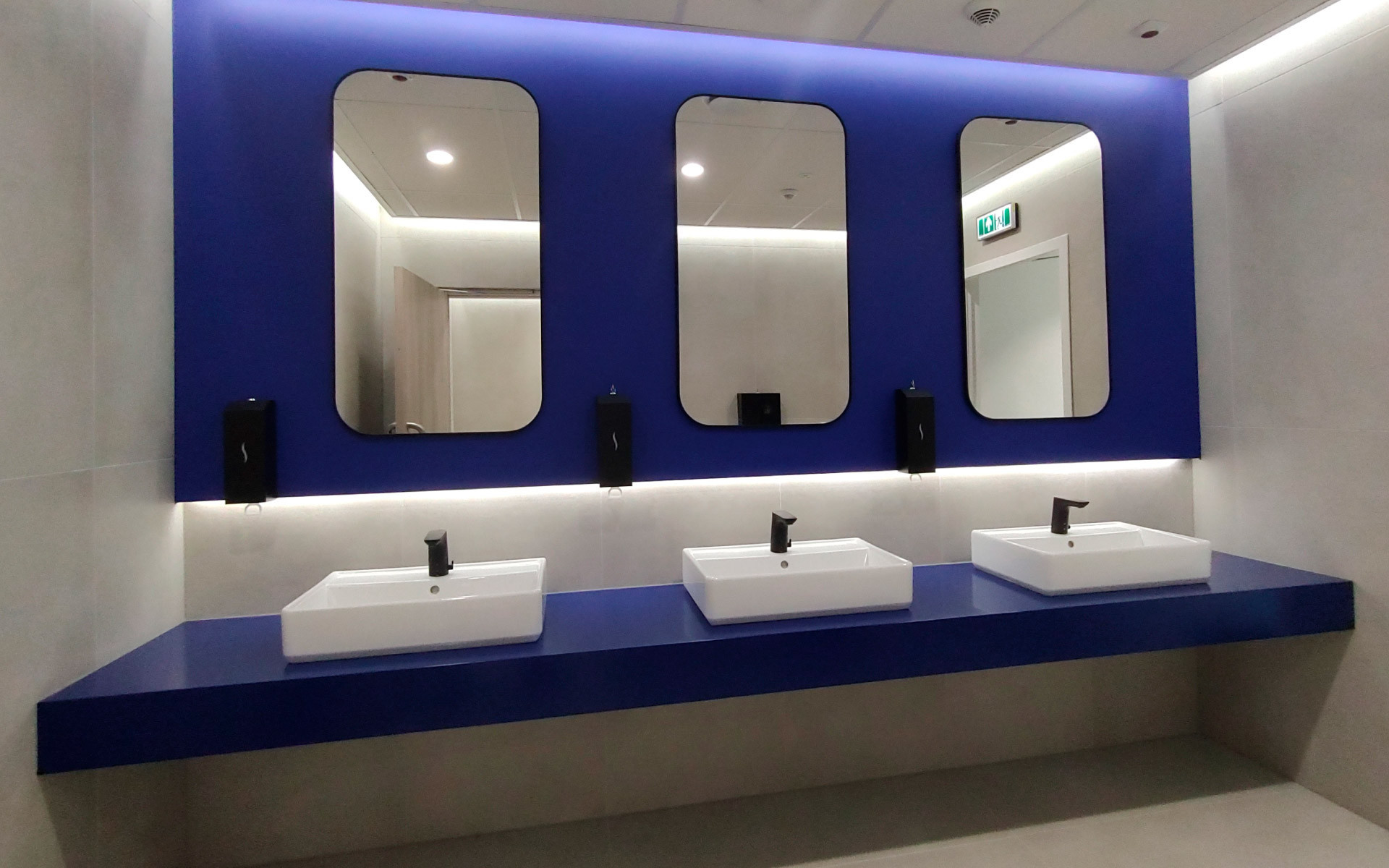
GRANDEX acrylic solid surface in the retail sector
Modern retail spaces - from luxury boutiques to large-format stores - are today three-dimensional brand business cards that must precisely reflect their character. In such projects, architects often look for materials that allow for the creation of unconventional furniture forms. While engineered quartz or large-format ceramic slabs are an uncompromising choice for heavily used shop floors, GRANDEX acrylic solid surface becomes the ideal raw material when designing fittings and display units.
Decors that align with the brand image
The palette of mineral-acrylic composite decors is highly diverse. It includes not only patterns that perfectly imitate natural stone but also solid-colour sheets, including bold, saturated hues not found in nature. This allows architects to precisely match the colour of a checkout counter or retail island so that it perfectly corresponds with the company's official brand book and logo, creating avant-garde, eye-catching spaces. Using translucent GRANDEX decors with hidden LED backlighting additionally allows for the spectacular display of key merchandise (e.g., jewellery, electronics, or perfumes).
Aesthetics resistant to heavy footfall, dirt masking
In spaces with continuous, high footfall, maintaining a display in perfect cleanliness can be a challenge for the staff. Alongside its hygienic properties (lack of pores), GRANDEX offers purely visual support here. Patterns with fine aggregate or decors with a rich, stone-like texture, suitably selected from the wide range, excel at masking everyday, minor dirt. Settling dust, fingerprints, or slight smudges become practically invisible on them, which allows the impeccable aesthetics of an exclusive showroom to be maintained throughout an intensive working day.
Repair without dismantling. Uninterrupted business continuity in every industry
Regardless of whether we are talking about a 24/7 reception desk in a luxury hotel, a heavily used retail island, a restaurant table top, or a surface in a treatment room - in commercial spaces, damage resulting from daily, intensive use is inevitable in the long term. This is where another advantage of the mineral-acrylic composite is revealed.
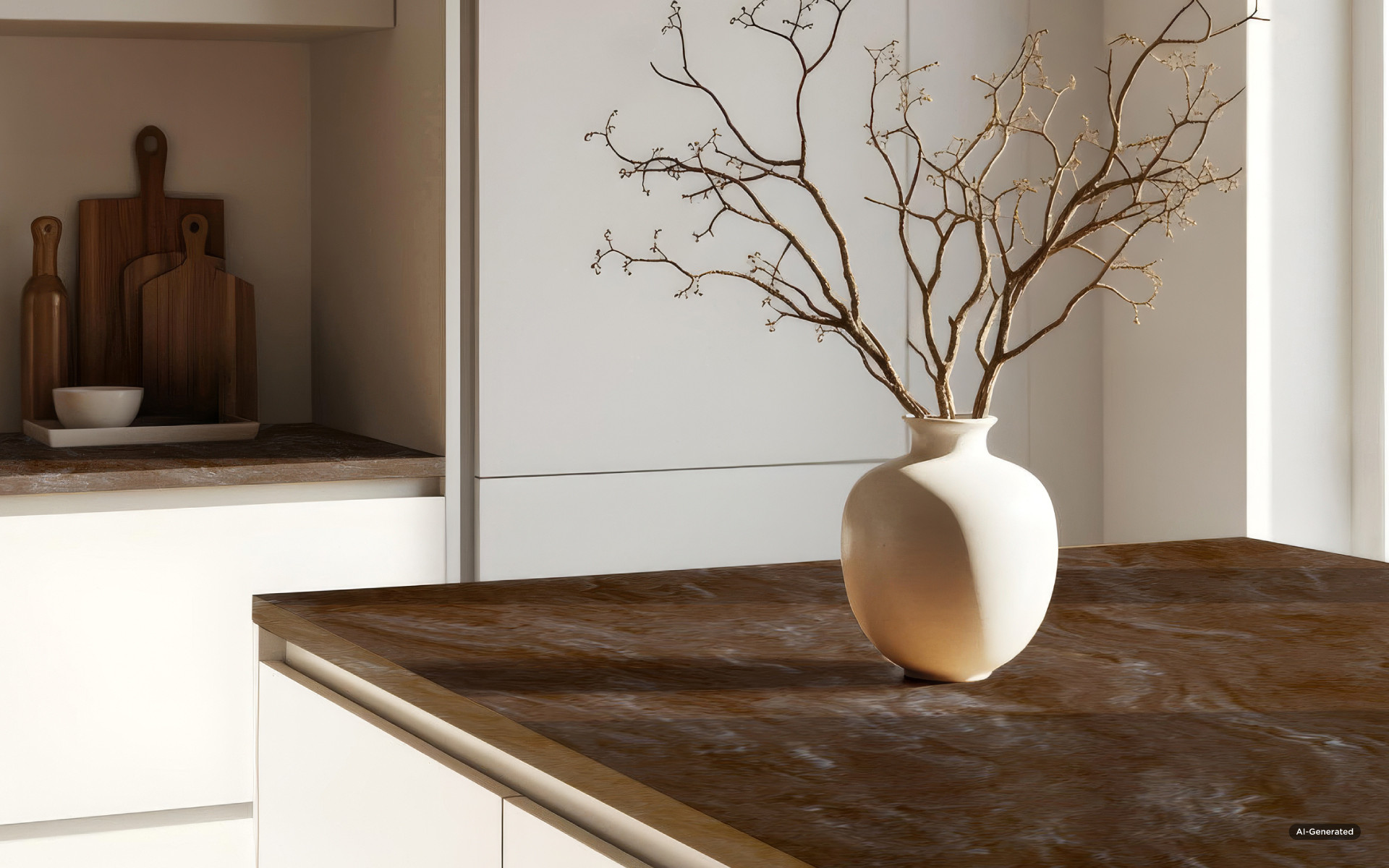
While harder materials resist scratches and other damage perfectly, in the event of a localised edge chip, their repair often requires complex stonemasonry intervention or the replacement of the entire element. Meanwhile, the pliable GRANDEX surfaces are restored completely non-invasively. Any scratches, dullness, burns, or deeper stains can be removed directly on-site by sanding and re-polishing the damaged section. The worktop regains its original, flawless appearance in a very short time, without generating large amounts of troublesome dust, without the need for dismantling, and - most importantly for investors - often without interrupting the operation of the commercial facility or with a significantly shorter downtime.
A novelty in the Architype range - MED marine certification and applications in the shipbuilding industry
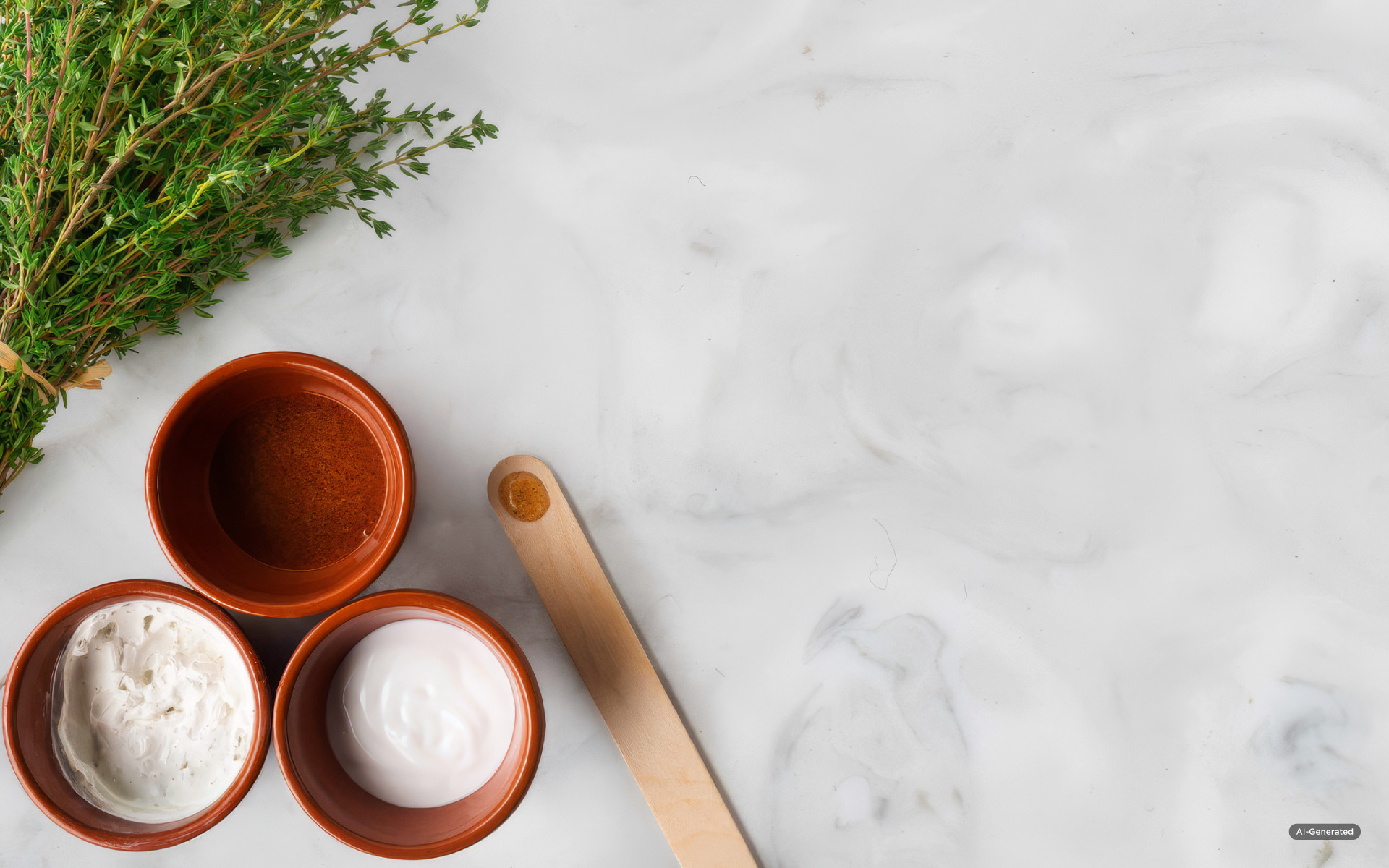
In 2025, 12 mm thick GRANDEX mineral-acrylic sheets were certified under the Marine Equipment Directive (MED) 2014/90/EU. The material holds an EC Type-Examination Certificate (Module B) issued by Polski Rejestr Statków S.A. (notified body no. 1463) and a Production Quality Assurance Certificate (Module D) issued by RINA Services S.p.A. (notified body no. 0474). Certification covers decorative veneers (item MED/3.18a) and floor coverings (item MED/3.18c).
It is worth noting that the floor-covering certificate (MED/3.18c) relates strictly to fire behaviour (low flame-spread characteristics under the IMO FTP Code), not to wear resistance in high-traffic corridors. Before quoting for a marine project, check that the certificate scope (12 mm thickness, specific MED items, and conditions of use) matches the project specification. For more technical details and full documentation, visit our GRANDEX MED certification news article and our certificates section for this brand.
When is it worth considering alternatives?
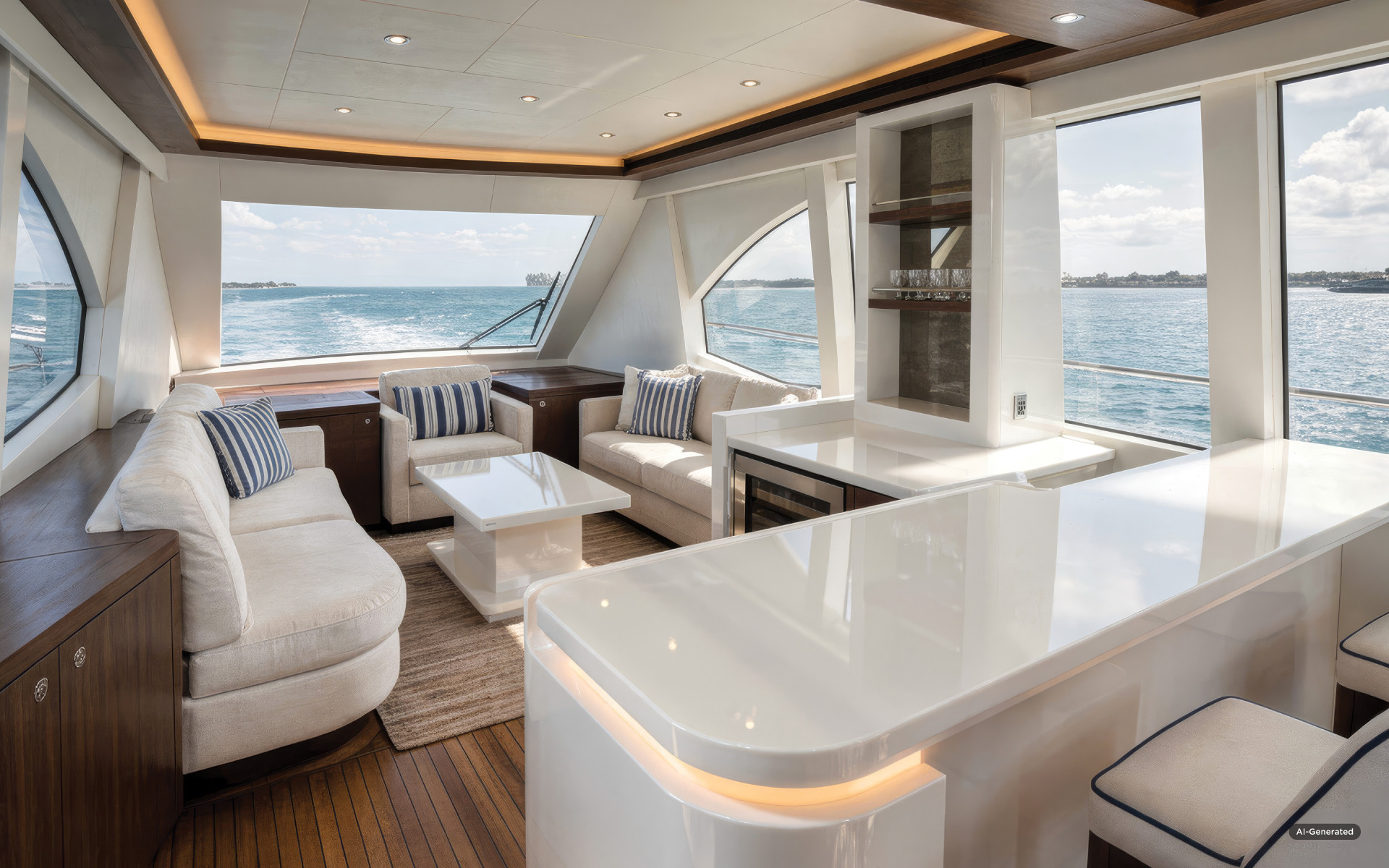
Like any specialised raw material, mineral-acrylic composite has areas where other solutions will be the optimal choice. Due to its acrylic resin content, which gives it its unique pliability, GRANDEX yields to the extreme hardness of engineered quartz or large-format ceramic slabs. It is not a material intended for flooring in high-traffic corridors, worktops in commercial kitchens where hot pots and pans go straight from the heat onto the surface, or workspaces where cutting is done directly on the surface with sharp tools. Boiling water poured into an acrylic sink should also be mixed with cold water to provide cooling. It is also worth noting an important design nuance - sheets in dark colours (e.g., black, dark grey, or brown) require more delicate handling. Scratches may be more visible on them, which is why they are not recommended for heavily used worktops. In such locations, we recommend choosing light, speckled acrylic decors or utilising alternative solutions from our range.
Share:


Other publications
All publications
Architype at Marmomac 2026. Let's meet in Verona!
References
The application of Puricelli HPL panels in commercial interiors - where does this material have an advantage over other solutions?
References
The most popular Architype materials chosen by the B2B sector. Parameters, logistics, fabrication, and practical aspects - a guide.
References