



Timeless materials - what to choose for a gracefully ageing interior?
References
In interior design, it is easy to succumb to the temptation of fleeting trends. A colour of the season, a trendy texture, or a spectacular detail can look captivating on a 3D visual; however, the true test of any design comes after years of daily use. That is why contemporary interior architecture places a growing emphasis on the slow design philosophy - the conscious planning of spaces resilient to the passage of time.
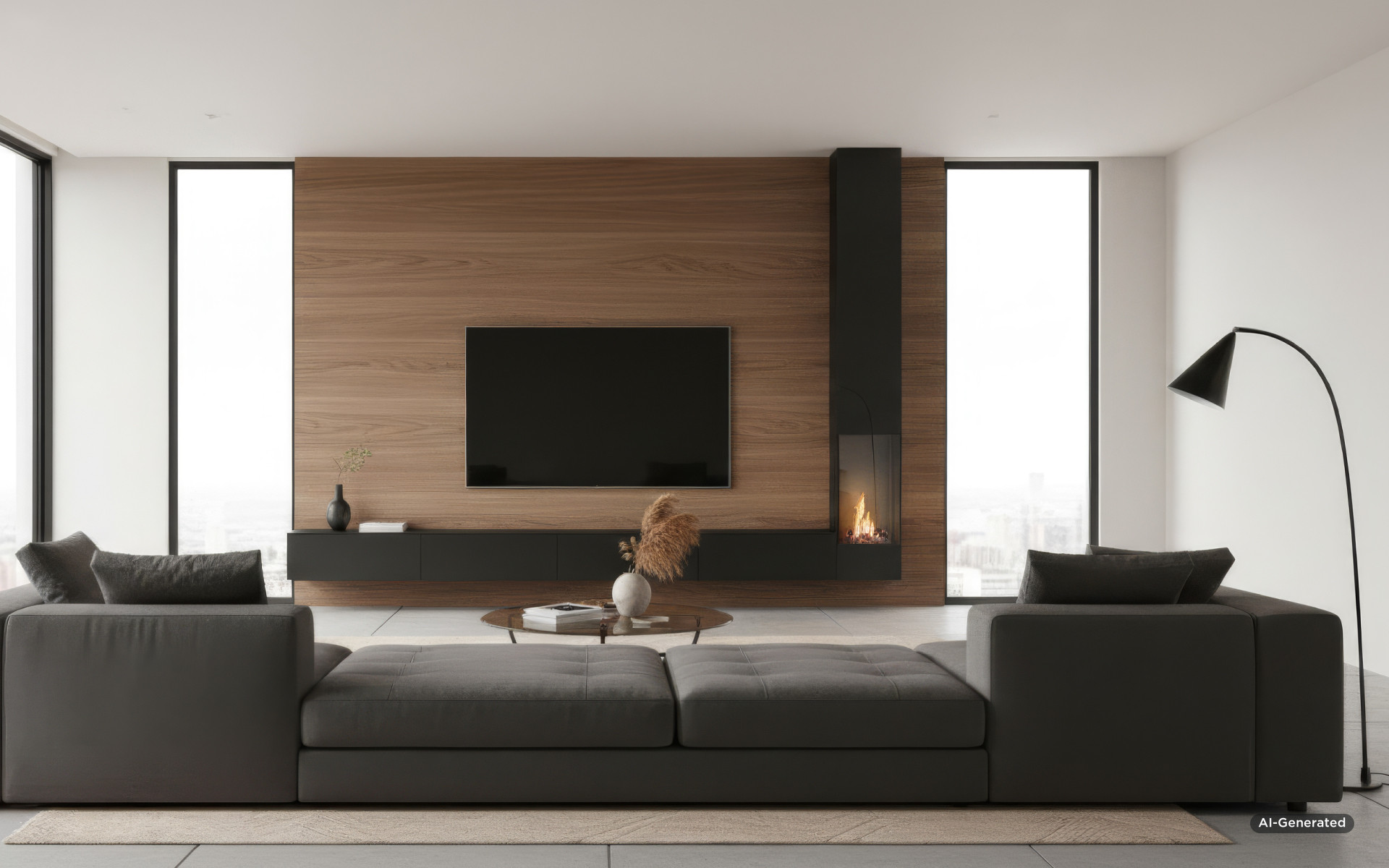
An interior that ages well relies on two fundamental pillars of timelessness:
- stylistic durability - a well-thought-out aesthetic free from fast, seasonal trends that remains fresh regardless of changing fashions,
- physical durability - uncompromised quality of finishing materials that retain their original technical and visual properties over decades of wear and tear.
Selecting the right materials at the specification stage is one of the most critical investments. Utilising technologically advanced solutions prevents frustration and costly, major renovations after just a few seasons, allowing the space to mature alongside its occupants rather than gradually deteriorating.
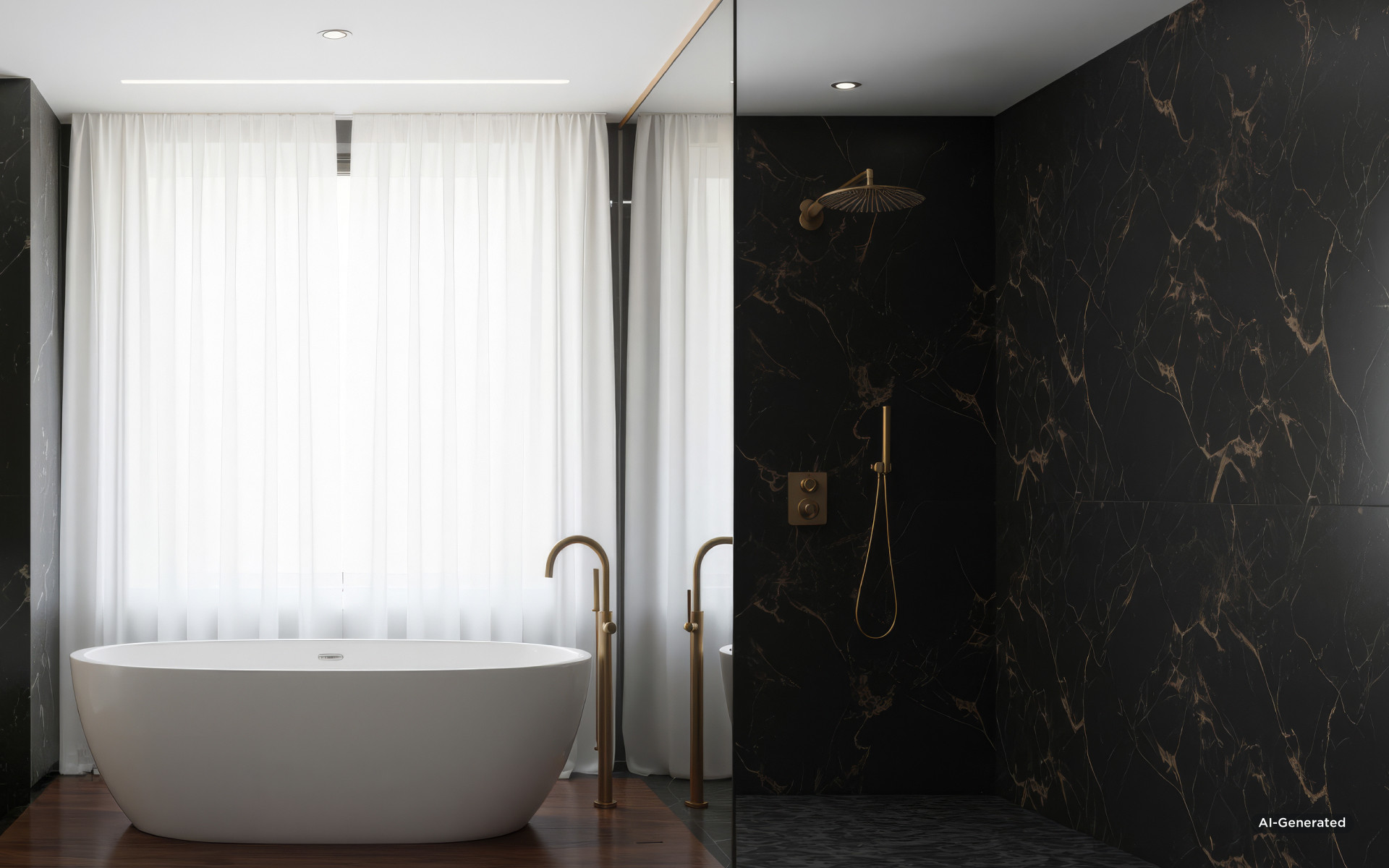
The test of time - what daily challenges do materials face?
To understand why some surfaces retain a noble appearance over the years while others quickly look dated and lose their charm, it is worth examining the everyday challenges interior architecture must endure. Finishing materials do not exist in a laboratory vacuum - they are constantly subjected to natural forces and intensive daily use.
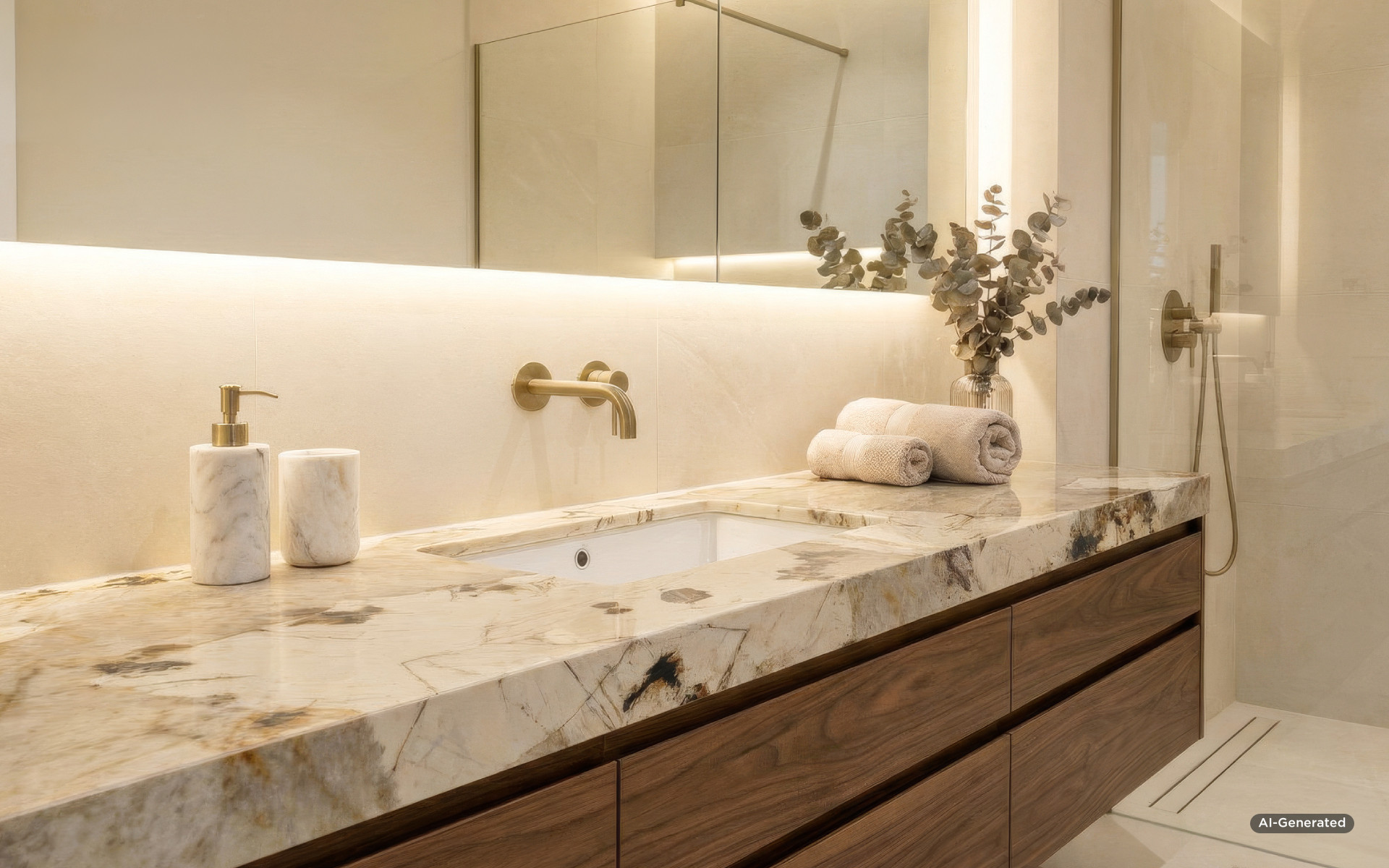
The primary physical and chemical factors that degrade interiors over time include:
- UV radiation and natural sunlight - intense sunlight streaming through large glazing is one of a material's greatest enemies. Low-quality surfaces, pigments, or sealants undergo photodegradation under UV rays, leading to yellowing, fading, and irreversible colour shifts.
- Water, moisture, and hot steam - daily cooking, cleaning, and bathing test the impermeability of surface structures. Materials with high porosity or water absorption eventually swell and warp, creating micro-cracks where mould and microorganisms can thrive.
- Mechanical loads and micro-scratches - dropping a heavy pan in the kitchen, moving furniture across the floor, or vigorous cleaning. Even the smallest surface scratches, accumulating over the years, can completely strip a surface of its original depth and lustre.
- Thermal shock and chemical exposure - contact with hot cookware, splattering grease, as well as natural acids (from citrus, wine, or vinegar) and harsh chemical detergents.
Crucially, an interior is not a museum. A well-designed home must accommodate the natural evolution of lifestyle and the dynamically changing needs of its inhabitants over decades. The finishing material specified on the architect's board will accompany a family through every stage of life. It must effortlessly survive the period when young children test the hardness of floors and worktops with their toys, and house pets scratch at the floors with their claws. It should withstand an active social life and frequent cooking for family and friends, yet years later maintain an elegant, low-maintenance form suited to older occupants who value hygiene without the burden of complex upkeep. This capacity to withstand everyday domestic life without compromising aesthetics is the true measure of whether a material can age gracefully.
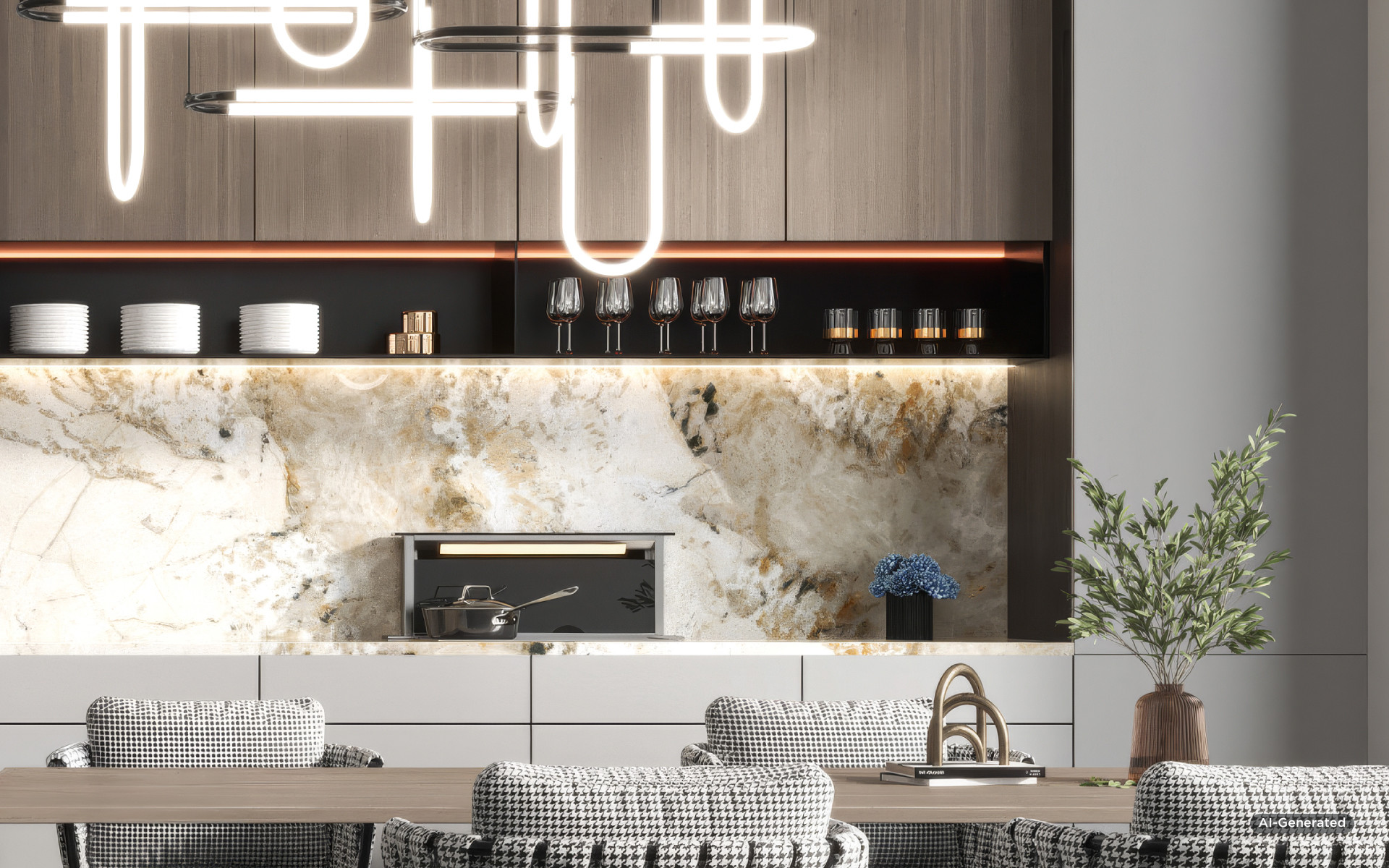
Materials built to last for decades - an overview of the Architype portfolio
Most modern surface materials in the Architype portfolio are versatile solutions that excel in a variety of applications - from kitchen worktops and islands, to flooring and stairs, through to statement wall cladding or modern furniture fronts. What sets them apart are their specific physical and chemical properties - backed by rigorous laboratory testing and international certifications - giving each an edge under specific, demanding conditions of daily life. Let us explore their unique superpowers!
Quartz stone (Avant Quartz and Caesarstone)
One of the materials that pass the longevity test with flying colours is quartz stone. It is composed of 93-95% selected natural quartz - a mineral with a hardness of 7 on the Mohs scale - bonded with polymer resins under immense pressure. This structure grants it impressive physical properties, confirmed by independent SGS testing: high flexural strength ranging from 44.8 to 74.3 MPa (per EN 14617-2), high density (approx. 2.2-2.4 g/cm³), and a safe fire reaction classification of B-s1, d0 or B-s2, d0. In daily use, however, its most vital feature is a near-zero water absorption rate (≤0.05%). Thanks to the absence of micro-cracks, the material does not absorb stains from wine, coffee, or acids over time, and requires no sealing or impregnation.
Large-format ceramic slabs Keralini
Where operating conditions are most demanding, Keralini large-format ceramic slabs perform impeccably. Manufactured from natural raw materials fired at extremely high temperatures, this material offers exceptional physical properties: virtually zero water absorption at ≤0.1% (per UNI EN ISO 10545-3 / ASTM C373), high flexural strength (≥45 MPa), as well as superior resistance to abrasion and thermal shock. With zero organic resins in its composition, sintered stone is fully resistant to light and UV radiation (per DIN 51094) - its surface will neither yellow nor fade even after decades of sun exposure. Furthermore, it holds the highest A1 fire rating, making it a non-combustible material that neither generates smoke nor spreads flame.
High-pressure laminates - HPL (Puricelli and KRAFFTEN)
In spaces requiring a high-density yet relatively lightweight and moisture-resistant material, HPL compact laminates from Architype (Puricelli and KRAFFTEN) represent an excellent long-term investment. They are produced from layers of kraft paper impregnated with advanced thermosetting resins and pressed under immense pressure. In accordance with European EN 438 standards, the material features high density (>1.35 g/cm³), a high flexural modulus (≥9000 MPa), and impressive impact resistance (per large-diameter ball impact tests under EN 438-2). Crucially for interiors, HPL panels demonstrate high dimensional stability when exposed to varying temperatures and steam, while meeting stringent environmental and safety requirements: they hold the highest E1 formaldehyde emission class (Puricelli: A+ VOC rating, phenol-free formulation), a B-s1, d0 fire classification (or D-s2, d0 depending on the substructure), and have achieved the NRO (non-fire spreading) rating for wall systems in tests by the Polish Building Research Institute (ITB).
Natural stone
When discussing materials that age gracefully, it is impossible to overlook natural stone - a material that has defined monumental architecture and luxury for millennia. Natural stone from Architype proves that true timelessness lies in the authenticity of nature, where no vein pattern is ever repeated. However, it is important to remember that different stone species behave differently over the years. Granites and quartzites are true heavy-duty rocks; their hardness, density, and natural resistance to high temperatures and scratching allow them to withstand intensive wear effortlessly. Conversely, classic marble requires slightly more mindfulness and care from users. Composed of calcium carbonate, marble is sensitive to acids (e.g., from citrus, wine, or vinegar), which can react with the minerals to etch and dull the surface, requiring periodic sealing and prompt wiping of spills. For this reason, marble may not be the optimal choice for high-traffic flooring in a large family home; however, as a feature wall cladding, fireplace surround, architectural portal, or desk in a quiet home office, it rewards you with unmatched visual appeal. Moreover, any marks of time do not detract from marble's charm - the stone does not decay, but rather develops a noble patina, and can always be professionally refinished and polished back to its original lustre.
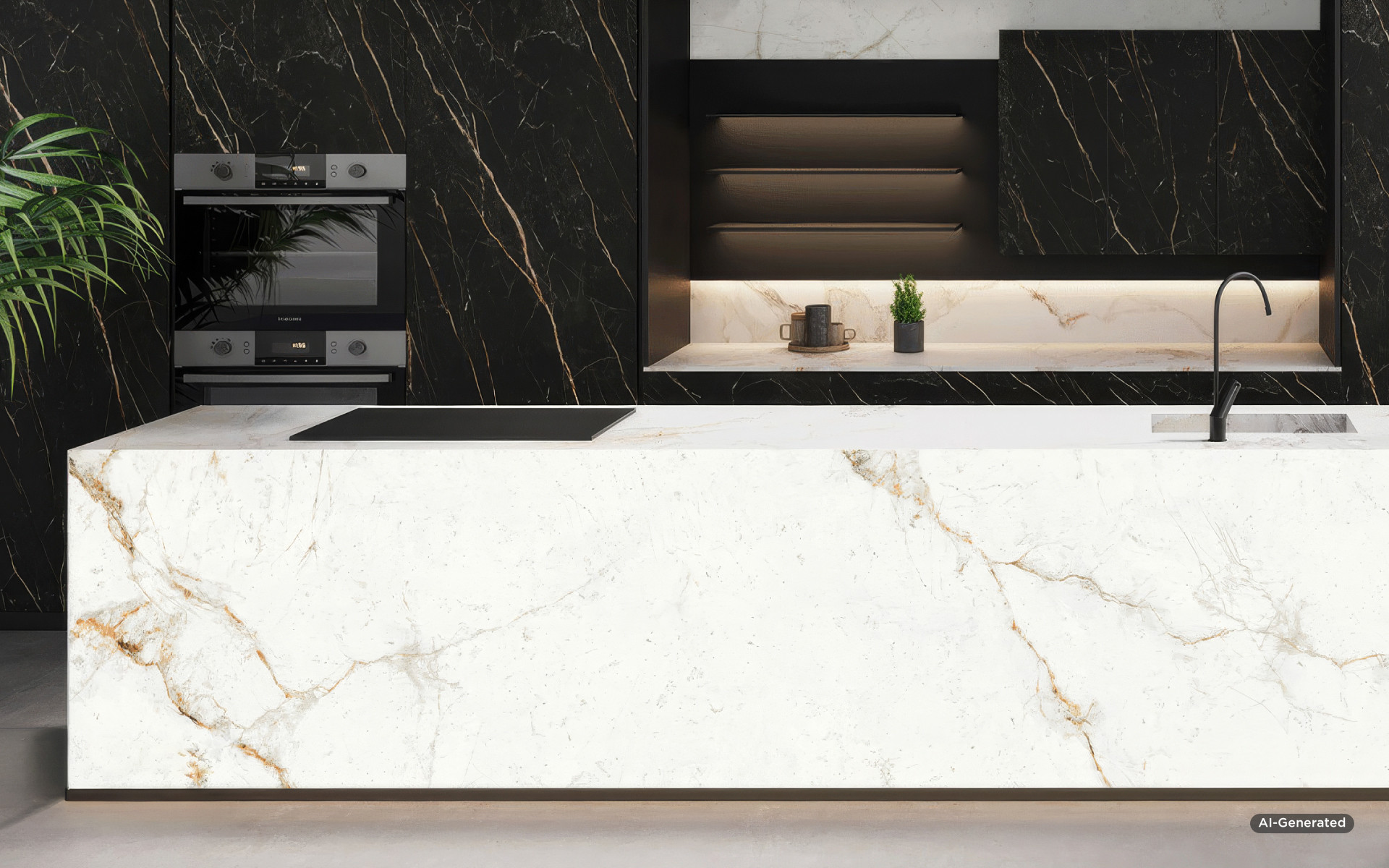
Selecting interior finishing materials is fundamentally a decision about how a space will function over the long term and how much attention its future maintenance will require. A well-designed interior neither imposes limitations on its users nor demands costly renovations after a few seasons - instead, it naturally evolves and matures over time.
In architecture, however, there is no single universal solution for every application. The key to success lies in precisely matching a material's physical and chemical parameters to the design brief, the specifics of a given zone, and the real-world daily wear investors will experience. Whether you are developing a commercial project or a private residential interior, Architype's experts and consultants will be delighted to help you select a material tailored to the technical and aesthetic requirements of your project - combining timeless design with uncompromised functionality for decades to come.
Share:


Other publications
All publications
Architype at Marmomac 2026. Backlit novelties, the return of travertine, and a look at the trends
References
Where to buy large-format sintered stone for the bathroom with high stain and water resistance? A guide to selection and purchase
References
White, cream, or beige? Choosing light large-format sintered stone available instantly
References